
Should you’re considering integrated vs dedicated graphics, the gap isn’t just about frame rates. You’re choosing between shared system memory and a built-in GPU versus discrete hardware with its own VRAM, cooling, and much higher throughput. That difference changes how your system handles gaming, editing, and everyday tasks, but the right answer isn’t always obvious. The trade-offs become clearer once you compare workload, power, and cost.
What Is Integrated Graphics?
Integrated graphics are built directly into the CPU and use the system’s shared memory and power budget instead of having their own dedicated VRAM. That basic definition explains the core cpu integration: you’re getting a GPU function inside the processor package, not a separate card. You can expect lower power draw, less heat, and simpler hardware, which helps your system stay portable and efficient.
Because it shares resources with the CPU, it’s best where you want dependable performance for browsing, documents, streaming, and other everyday tasks. Should you be part of a group that values practical computing, integrated graphics give you a balanced entry point. They won’t match heavier graphics hardware, but they do deliver steady, accessible capability for most routine workloads.
What Is Dedicated Graphics?
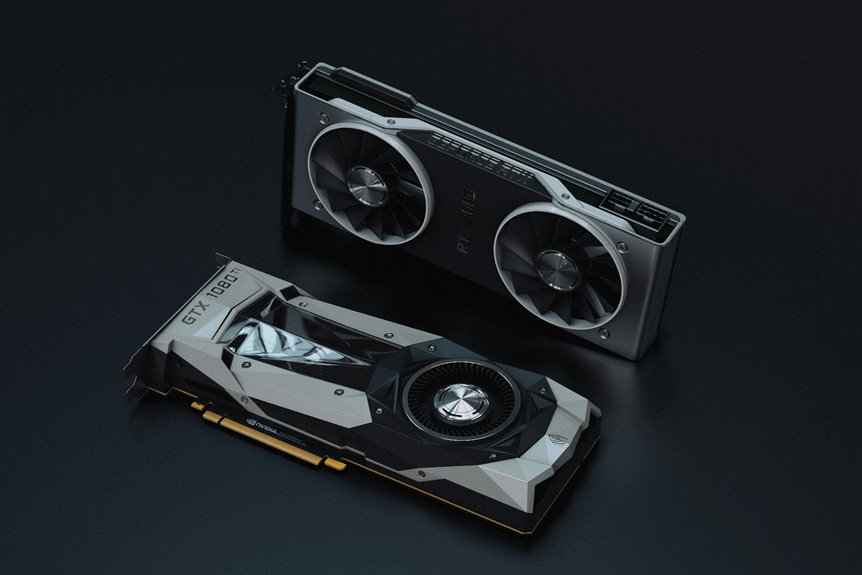
Dedicated graphics use a separate GPU with its own memory and cooling, so the graphics workload stays off the CPU and can run more efficiently. You get a discrete card built around dedicated GPU design, which handles rendering, shading, and frame delivery on its own. That split helps your system stay responsive under load, and it gives you a setup that many power users trust.
- Own VRAM reduces contention with system memory.
- Card cooling manages the heat from sustained graphics work.
- You can scale performance with stronger models for demanding workloads.
In desktops and performance laptops, this design supports smoother output for gaming, editing, and 3D work. Should you want a rig that fits the enthusiast crowd, dedicated graphics gives you that shared standard.
Integrated vs Dedicated Graphics: Which Is Better?
So, which graphics option is better depends on what you need: integrated graphics are cheaper, more power-efficient, and fine for everyday tasks, while dedicated graphics deliver far higher performance for gaming, editing, and 3D work.
When you want a system that fits your routine, choose integrated for web apps, office work, and travel friendly setups. You’ll get lower heat, longer battery life, and simpler hardware.
When you need stronger visuals, dedicated graphics give you more frame rates, faster rendering, and better future proofing options. You also offload GPU work from the CPU, which keeps the system responsive under load.
In short, pick integrated for efficiency and portability, or dedicated for sustained performance and headroom.
Integrated vs Dedicated Graphics for Gaming
When you game on integrated graphics, you’ll usually need lower settings and reduced resolution to maintain playable frame rates. Dedicated graphics deliver higher FPS, smoother frame pacing, and better support for medium to high settings in modern titles.
If you compare both at 1080p, the performance gap becomes clear across competitive games and AAA releases.
Gaming Performance Differences
For gaming, integrated graphics can handle light or older titles, but they’re constrained through shared system memory and CPU resources, which limits frame rates, resolution, and visual quality.
You’ll notice that game engine optimization matters a lot here: well-tuned engines can make integrated GPUs feel surprisingly capable.
- You can play esports competitive settings on low visuals if the game is optimized.
- You’ll get steadier performance in GPU-light games because the CPU isn’t as burdened.
- Dedicated graphics give you cleaner headroom for modern titles, higher fidelity, and fewer compromises.
If you want to belong in a gaming setup that keeps pace with demanding releases, a dedicated GPU usually delivers the consistent advantage you’re after.
Frame Rates and Settings
Frame rates and graphics settings make the performance gap between integrated and dedicated GPUs easy to quantify. You’ll see integrated graphics hold playable FPS only whenever you trim settings, lower resolution, and use resolution scaling. Dedicated GPUs keep you in the squad for 1080p medium or higher, with steadier frametimes and fewer drops.
| GPU Type | Typical Settings | Result |
|---|---|---|
| Integrated | Low, 720p-1080p, scaling | Borderline smooth |
| Dedicated | Medium-high, 1080p | Stable, responsive |
| Dedicated + tuning | Frame cap tuning | Cooler, consistent |
Use frame cap tuning to reduce spikes and keep latency predictable. Should you be chasing competitive play, dedicated hardware lets you preserve visual clarity without sacrificing frame rate. Integrated still works, but you’ll need to accept compromises and tailor every setting carefully.
Creative Work and Video Editing Performance
Dedicated graphics are the stronger choice for creative work and video editing because they offload rendering and effects processing from the CPU, which improves responsiveness and reduces frame drops during demanding tasks.
While you’re editing, you’ll notice faster previews, cleaner color grading, and better timeline smoothing during multicam cuts.
- You get steadier playback while applying effects, LUTs, and noise reduction.
- You can render exports faster while keeping the UI responsive for your team.
- You’ll handle 4K and heavier projects more confidently, especially with large effects stacks.
Integrated graphics can manage light edits, but they’ll usually rely on shared system memory and your CPU, so you can hit delays sooner.
If you want a smoother workflow and feel at home in demanding creative projects, dedicated GPU support is the safer, more capable path.
How Power Use Affects Battery Life
Power use has a direct impact on battery life, so the graphics choice matters as much as raw performance. When you use integrated graphics, you keep wattage draw low, and your laptop can stay unplugged longer. That lower load cuts battery drain during browsing, office work, and light creative tasks.
Dedicated graphics change the equation because the GPU pulls more power, which shortens runtime under load. You’ll notice this most in games, rendering, and other sustained workloads where thermals rise and fans spin harder.
Should you want to belong to the group of mobile users who value endurance, prioritize efficiency foremost. For travel, classes, or meetings, integrated graphics usually gives you the best balance of speed, heat, and battery life.
How RAM and VRAM Affect Performance
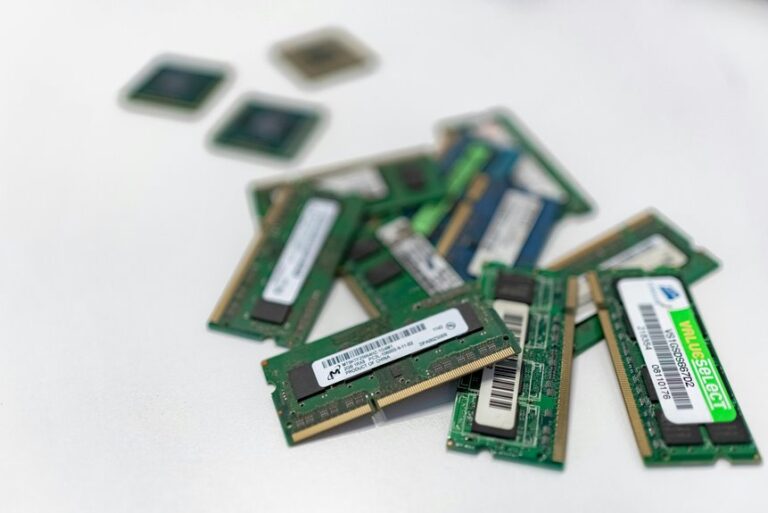
When you use integrated graphics, the GPU taps into system RAM, so its bandwidth and capacity directly limit performance.
With dedicated graphics, you get separate VRAM, which gives the GPU faster, isolated memory for rendering and texture data. That separation usually improves throughput, reduces contention with the CPU, and helps sustain higher frame rates under load.
Shared Memory Limits
Unlike dedicated GPUs, integrated graphics use shared memory, so your CPU and system RAM must handle both general computing and graphics tasks. Whenever you push textures, display buffers, and multitasking together, memory bandwidth becomes your main constraint. That shared system load can raise latency, reduce frame stability, and make heavier workloads feel less responsive.
- You lose headroom whenever apps compete for the same RAM pool.
- Faster dual-channel memory can improve integrated graphics throughput.
- Background tasks hurt you more because they consume the same resources.
If you’re part of a budget or compact system audience, this shared design keeps costs low, but it also means your performance ceiling depends on memory speed, capacity, and how efficiently you balance workload demands.
Dedicated VRAM Advantage
Dedicated graphics change the memory equation through giving the GPU its own VRAM instead of pulling from system RAM.
You get a faster, isolated pool that the GPU can access without competing with the CPU, which reduces stalls and preserves responsiveness.
That dedicated memory bandwidth matters when textures, frame buffers, and shaders move constantly, especially in games and rendering.
You’ll notice fewer hitches at higher resolutions because VRAM capacity benefits let the card hold more assets locally, avoiding slow transfers over the system bus.
Integrated graphics share RAM, so they can bottleneck when your workload grows.
Should you want smoother frame pacing and stronger consistency, dedicated VRAM gives you the performance headroom that helps you fit in with demanding gaming or creation workloads.
Heat, Noise, and Throttling Differences
Because integrated graphics share power and thermal headroom with the CPU, they usually run cooler, quieter, and with less risk of throttling than dedicated GPUs. You’ll notice this most in compact laptops, where cooling constraints limit fan speed and heat dissipation. Dedicated cards dump more heat into the chassis, so fans ramp harder and noise rises. Whenever the GPU hits its thermal ceiling, thermal throttling cuts clocks and can flatten frame rates. That’s why your experience stays steadier with integrated graphics during light work, though peak performance is lower.
- Lower heat output helps you keep a quieter workspace.
- Shared cooling reduces the chance of sudden performance drops.
- Dedicated GPUs need stronger airflow to sustain performance clocks.
How Graphics Price Changes Your Choice
When you compare integrated and dedicated graphics, price-to-performance often becomes the deciding metric. If you’re working within a budget tier, integrated graphics can cover basic workloads at a lower total cost, while dedicated GPUs justify their higher price only if you need the extra performance.
You should weigh the upfront cost against the workload you actually run, because overspending on GPU power can hurt total value.
Price-To-Performance Value
Price plays a major role in which graphics option makes sense for you, since integrated graphics usually give you the lowest upfront cost using the CPU’s built-in GPU, while dedicated graphics add the expense of a separate GPU, extra memory, and stronger cooling. You’ll feel that gap in your upgrade cycle and resale value whenever you compare total ownership costs.
- Integrated fits you whenever you want efficient everyday performance without paying for unused power.
- Dedicated makes sense for you when you need higher throughput per dollar for graphics-heavy work.
- Value depends on how often you’ll push the GPU; whenever you rarely do, you’re better off staying with integrated.
Whenever you want to belong to the practical-performance crowd, match spend to workload, not to spec sheets.
Budget Tier Tradeoffs
Budget tier changes the graphics choice more sharply than most buyers expect, since the lower you go, the more integrated graphics tend to dominate on cost, efficiency, and total practicality.
You’ll usually get better budget laptop value by skipping a weak dedicated GPU and keeping the platform balanced.
In entry level builds, integrated graphics let you spend on a faster CPU, more memory, and SSD capacity, which often improves daily responsiveness more than a low-end discrete card.
Dedicated graphics only start to justify their price whenever your workload needs sustained 3D performance, higher frame rates, or faster rendering.
Whenever you’re shopping with a tight budget, choose the system that fits your actual tasks, not the label on the GPU, and you’ll stay in the smart-buy group.
When Integrated Graphics Is Enough
Integrated graphics are enough provided you mainly do web browsing, spreadsheets, word processing, media playback, and other light workloads, because they handle everyday tasks efficiently while using far less power than a discrete GPU. You can rely on them for office software and streaming media without giving up responsiveness or portability. In this tier, you fit well with users who value simplicity and lower heat output.
- They reduce battery drain in laptops.
- They keep system temperatures modest.
- They handle routine productivity smoothly.
If your workload stays in this range, you won’t need extra graphics hardware. You’ll still get a capable, quiet machine that feels practical for daily use, and you can stay connected to the same performance-minded community without paying for unused capability.
When a Dedicated GPU Is Worth It
A dedicated GPU is worth it whenever you need higher frame rates, better image quality, and faster performance in gaming, video editing, or 3D rendering, because it offloads graphics work from the CPU and uses its own memory and cooling.
You’ll feel the difference in demanding titles, high refresh displays, and professional workflows that stress the CPU less when graphics run separately.
If you create content, model in 3D, or stream while you play, a dedicated card keeps performance steadier and reduces dropped frames.
It’s also a smart choice for desktop upgrades when you want more headroom for future games and apps.
You’ll pay more and use more power, but if you want to stay in the performance-minded crowd, the tradeoff often makes sense.
How to Compare GPU Specs Fast
Once you’ve decided a dedicated GPU makes sense, the fastest way to compare specs is to focus on the few numbers that actually predict real-world performance: architecture, VRAM capacity and bandwidth, core count, clock speed, power draw, and memory bus width. Use benchmark shortcuts, not marketing labels, so your spec comparison stays grounded.
- Check architecture first; newer designs usually improve efficiency and frame delivery.
- Compare VRAM and bandwidth together, since capacity alone doesn’t tell the full story.
- Use core count, clocks, and power draw as tie-breakers whenever cards look similar.
You don’t need to memorize every SKU. You just need a clean, repeatable method that helps you fit in with informed buyers and spot the GPU that matches the performance tier you’re targeting.
Pick the Right Graphics for Your Needs
To pick the right graphics for your needs, match the GPU type to the workload, not the spec sheet headline. If you focus on everyday productivity, integrated graphics usually give you enough performance for browsing, office apps, and media while keeping power draw low.
If you need gaming, editing, or 3D work, dedicated graphics will fit you better because it offloads rendering and sustains higher frame rates. For laptops, weigh portability priorities carefully: integrated helps battery life and heat, while dedicated adds speed but reduces mobility.
In desktops, dedicated GPUs often make more sense because cooling and power aren’t as constrained. You belong with the right choice when your hardware supports your actual tasks, not someone else’s benchmark bragging.
Frequently Asked Questions
Can Integrated Graphics Be Upgraded Later?
No, integrated graphics usually cannot be upgraded later because they are built into the CPU or system architecture. If you want better graphics later, you typically need a dedicated graphics card or a new CPU and motherboard platform, so it is worth planning ahead.
Does a Dedicated GPU Always Improve CPU Performance?
No, a dedicated GPU does not always make the CPU faster. It can offload rendering work and reduce heat buildup, but poor cooling, driver overhead, or uneven task distribution can still hold the CPU back.
How Does a MUX Switch Affect Graphics Performance?
A MUX switch lets you choose between direct dGPU display routing for higher FPS and lower latency, or iGPU routing for longer battery life and cooler operation.
Are Discrete and Dedicated Graphics the Same Thing?
Absolutely. In laptop graphics terminology, discrete graphics and dedicated graphics both refer to a separate GPU, not the integrated graphics built into the processor. The wording can vary, but the meaning is the same.
Which Graphics Type Is Better for External Monitors?
Dedicated graphics usually work better for external monitors because they provide stronger compatibility with external displays and route video output more directly. This often means smoother multitasking, higher refresh rates, and fewer performance limits, especially with demanding monitors.