
You might not notice it, but your gadgets are already shaping your day. AI automation lets devices learn your routines, adjust settings, and respond to voice commands with less effort from you. Lights, thermostats, and alerts can work together across platforms, often before you ask. That convenience raises questions about privacy, control, and what happens whenever your home starts anticipating more than you do.
What AI Automation Means in Gadgets
AI automation in gadgets means devices that can learn from how you use them and then act with less manual input.
You get more device responsiveness because the gadget adjusts its behavior to fit your routine, rather than waiting for repeated commands.
That shift creates automated convenience: lights, climate control, or cleaning tools can handle tasks with less effort from you.
In practice, AI lets your gadgets support your daily flow, so you spend less time managing settings and more time staying connected to what matters.
You’re not replacing control; you’re gaining a system that works with you.
For many users, that sense of ease makes technology feel more welcoming, practical, and ready to belong in everyday life.
How AI Gadgets Learn Your Habits
Your gadgets learn your habits through tracking how you use them over time and turning that history into small adjustments. With usage pattern learning, they notice when you wake, relax, work, and leave, then refine settings without asking for repeated input.
That habit adaptation can change a thermostat’s schedule, tune a voice assistant’s replies, or shorten a vacuum’s cleaning route. You stay in control because the device uses your feedback, missed actions, and routine changes to improve its predictions.
Over time, the system becomes less generic and more aligned with how you actually live. For you, that means a familiar experience that feels responsive, not intrusive, and helps your devices fit naturally into your day.
Where AI Automation Fits Into Daily Life
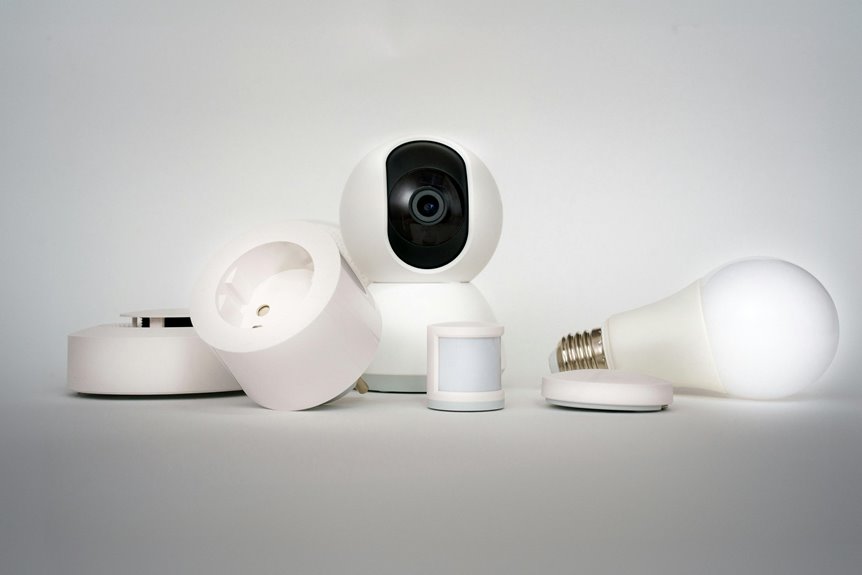
You’ll find AI automation in smart home routines that adjust lights, temperature, and security based on your schedule and environment.
It also appears in personal task assistants that manage reminders, voice commands, and routine actions with less manual input.
In health and wellness tracking, wearables monitor biometric trends and give you timely takeaways into your habits and condition.
Smart Home Routines
- You arrive home and the hallway lights come on.
- Sunset can dim lamps and close blinds without a prompt.
- “Away” mode can secure doors and reduce energy use.
These routines learn from your schedule and adapt over time, so your home feels coordinated with less effort.
You stay in control while automation handles the timing, helping your space feel familiar, efficient, and connected.
Personal Task Assistants
| Capability | What it does |
|---|---|
| Task prioritization | Ranks what needs attention initially |
| Agenda management | Organizes meetings, events, and deadlines |
| Voice support | Lets you add tasks hands-free |
| Routine learning | Improves suggestions from your usage |
This kind of automation helps you stay coordinated without feeling isolated from your own workflow. You keep control, but the assistant reduces friction, keeps details visible, and supports a smoother daily rhythm.
Health And Wellness Tracking
How does AI fit into health and wellness tracking? You use wearables and smart gadgets to collect biometric trend tracking, then the device turns raw data into useful patterns. This helps you notice changes in sleep, heart rate, activity, and recovery before they feel obvious. With preventive wellness monitoring, AI can flag when stress, inactivity, or irregular routines deserve attention, so you can respond ahead of time.
- You get alerts that match your habits.
- You see clear summaries instead of data overload.
- You stay connected to a system that supports your goals.
These tools work best whenever they fit your daily life, not whenever they interrupt it.
Via learning from your routine, AI helps you make steady, informed choices and feel like you belong in your own wellness plan.
How AI Gadgets Handle Voice Commands
AI gadgets handle voice commands using speech recognition, natural language processing, and device integration to interpret what you mean and then act on the right system.
You speak naturally, and voice intent recognition helps the gadget identify whether you want lights, music, locks, or settings changed.
Conversational command parsing breaks longer requests into clear actions, so you don’t need rigid phrasing.
The device then matches your words to connected services through APIs and executes the command quickly.
Many systems improve with use, learning your speech patterns, preferred terms, and common routines.
That makes interaction feel more familiar and consistent.
In a connected home, you can address one hub and reach multiple devices, creating a shared, responsive environment that supports your everyday communication needs.
How AI in Gadgets Improves Everyday Tasks
AI in gadgets can simplify your daily routine through automating tasks across your home, from adjusting lights and thermostats to managing security and appliances.
It can also personalize these actions through learning your habits, so your devices respond in ways that fit your schedule and preferences.
As a result, you get more efficient control with less manual effort.
Smart Home Automation
As smart home devices become more capable, they can coordinate everyday tasks with far less manual input. You can use smart appliance coordination to link lights, thermostats, and washing machines so routines run smoothly across your home. Home security automation adds another layer, locking doors, adjusting cameras, and sending alerts whenever something changes.
- Your thermostat can learn whenever you’re usually home.
- Your lights can switch on at sunset without a prompt.
- Your security system can arm itself whenever you leave.
These systems work through connected hubs and shared data, so you spend less time managing settings and more time enjoying a home that responds with you in mind. The result is practical convenience, stronger safety, and a sense that your devices fit naturally into your daily life.
Personalized Task Assistance
Beyond coordinating rooms and routines, smart gadgets can also tailor everyday support to your habits. You get help that fits how you work, from task prioritization to proactive alerts that keep deadlines, errands, and health checks in view.
AI watches usage patterns, so your phone, watch, or home hub can suggest the next step without extra setup. It can reorder your day, surface urgent messages, and nudge you before meetings or household tasks slip away. Wearables also track trends and alert you to rest, hydrate, or move whenever needed.
As these tools learn, they feel less generic and more like a coordinated system that supports you. That consistency helps you stay organized, informed, and connected to the routines you share with others.
Privacy and Security Risks in AI Gadgets
While AI gadgets make homes smarter and more responsive, they also expand the attack surface for privacy breaches and security failures. You benefit from automation, but you also share more data with devices that learn from your habits. That means you should check data privacy controls and watch for device security threats before they become problems.
- Review permissions for microphones, cameras, and location tracking.
- Update firmware regularly to close known vulnerabilities.
- Use strong passwords and separate guest networks if you can.
Whenever your thermostat, speaker, or vacuum connects to cloud services, a weak link can expose routines, preferences, and household activity. You don’t need to avoid smart tech; you just need to manage it carefully so your home stays both convenient and protected.
What’s Next for AI in Gadgets
AI gadgets are moving from simple automation toward systems that learn, predict, and coordinate across your home and daily routine.
You’ll see future hardware built for faster sensing, lower power use, and tighter integration with appliances, lighting, security, and wearables.
On device models will matter more, because they can process voice, routines, and sensor data locally, which cuts latency and keeps responses dependable.
Expect assistants to adapt to your habits, schedule tasks before you ask, and coordinate energy use with smart grids and thermostats.
As devices share data through unified platforms, you’ll get smoother control and fewer manual steps.
The next phase isn’t just smarter gadgets; it’s a connected environment that feels familiar, responsive, and built around your needs.
Frequently Asked Questions
How Do AI Gadgets Coordinate With Different Brands Across One Home?
You connect them through a central hub and brand specific APIs, allowing devices from different makers to pair and work together. Your assistant can manage lights, locks, thermostats, and vacuums, then coordinate routines so they operate in sync throughout one home.
What Happens When Multiple Smart Devices Give Conflicting Automation Commands?
Like a traffic cop, you see priority resolution settle clashes through a clear command order: safety overrides comfort, manual input outranks routines, and the hub prevents devices from repeating the same actions, so your home stays coherent and responsive.
Can AI Gadgets Operate Offline During Internet Outages?
Yes, many AI gadgets can work offline if they have local processing and offline controls. They can keep routines, sensors, and basic automation running, but cloud updates, remote access, and some voice features will not function.
How Do Predictive Features Affect Battery Life on Portable Gadgets?
Predictive features can extend battery life, but they also draw power because they rely on sensors and ongoing processing. If the forecasting is efficient, they reduce wasted energy. If it is not, they can drain the gadget faster.
Which Standards Help Gadgets Communicate Securely With Each Other?
Use Bluetooth LE Secure Connections, Matter, WPA3, and Zigbee or Thread security standards. These protocols verify device identities, encrypt communications, and let gadgets establish trusted links safely.