
Your laptop can feel slow for reasons that aren’t obvious at the outset. Startup programs, low RAM, nearly full storage, overheating, background apps, outdated drivers, and malware can each drag performance down in different ways. You can often spot the cause via checking Task Manager, storage health, and temperatures, but the real fix depends on which bottleneck is active…
Startup Programs Slow Boot Times
If your laptop takes a long time to start, too many startup programs are often the cause. You can check startup sequencing in Task Manager and disable apps you don’t need at login. This reduces background load, shortens boot time, and improves boot optimization.
Keep only security tools and essential drivers enabled, then test the difference after a restart. Whenever a cloud sync client, updater, or chat app launches automatically, it can delay your system before you even open a file.
You’re not alone here; many users trim startup items to restore a fast, predictable boot. Review each entry, remove anything nonessential, and save the changes. A lean startup routine helps your laptop feel ready whenever you are.
Low RAM Causes Laptop Lag
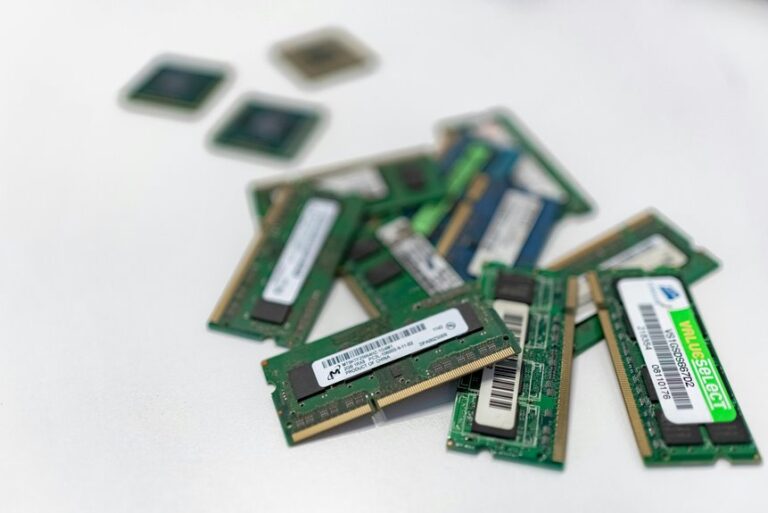
When your laptop runs out of RAM, it starts using the hard drive as virtual memory, and that slowdown shows up as lag in apps, browser tabs, and multitasking.
You’re hitting memory limitations when active programs need more short-term memory than your system can hold, so every switch feels sluggish. Check Task Manager to see which apps consume the most memory, then close the ones you don’t need.
Should you keep many tabs, editors, and chat tools open, you’ll trigger a multitasking slowdown fast. You can also reduce background sync tools and startup apps to free RAM for the tasks you actually use.
Should the system still stutters, consider adding more RAM so your laptop can keep pace with your workload and feel responsive again.
Low Storage Space Slows Your Laptop
Low RAM often shows up alongside another bottleneck: a nearly full drive. Whenever your storage stays under 10-20% free, Windows can’t swap files efficiently, and app launches stall. Run disk space cleanup initially, then move large media or installs elsewhere.
| Check | Fix |
|---|---|
| Temp files | Clear caches, downloads, recycle bin |
| Heavy folders | Relocate videos, games, archives |
You’ll usually feel quicker searches, smoother updates, and fewer pauses. Whenever you’re stuck, sort by size in File Explorer and remove what you don’t need. Use storage capacity tips: keep a free-space buffer, uninstall unused apps, and prefer an SSD for active work. You’re not alone in this; small storage habits can keep your laptop responsive and easier to live with.
Overheating Triggers Thermal Throttling
When your laptop heat builds up, the CPU and GPU can’t keep full speed and the system starts protecting itself.
You’ll notice thermal throttling as sudden slowdowns, higher fan noise, and dropped performance during normal tasks.
Check temps with a monitoring tool, then clean vents or improve airflow if they’re running hot.
Heat Buildup Effects
As heat builds up inside your laptop, the CPU and GPU will automatically throttle their speed to prevent damage, which can make everything feel noticeably laggy. You’ll notice slower app launches, delayed clicks, and weaker multitasking when heat escapes poorly. Keep cooling airflow clear by lifting the rear edge, cleaning vents, and avoiding soft surfaces. Better heat dissipation helps your system stay responsive during heavy work.
- Check that fans spin freely.
- Remove dust from intake grills.
- Use a cooling pad if needed.
- Keep room vents unobstructed.
- Close demanding apps before sessions.
Should you’re in a shared laptop crowd, these fixes help everyone keep performance steady and frustration low.
Thermal Throttling Signs
Thermal throttling shows up as sudden slowdowns after your laptop heats up, especially under load. You might see fans running hard, hot air exhausting, and the chassis feeling unusually warm near the keyboard or bottom panel.
Watch for thermal warning indicators like sudden clock-speed drops, stuttering video, and apps that take longer to open after a few minutes of gaming, editing, or charging. These performance drop symptoms often improve whenever the workload decreases, which points to heat, not bad software.
If you’re in this group of users, check temperatures with HWMonitor or Core Temp, then clean vents, clear dust, and use a cooling pad. Keep airflow open, and avoid soft surfaces that trap heat during heavy use.
Background Apps Drain Performance
You can’t ignore background apps, because concealed resource hogs can keep using CPU, RAM, and disk even whenever you aren’t actively using them.
Check Task Manager to spot processes that spike usage, then close or uninstall the ones you don’t need.
Whenever startup app overload keeps happening, disable unnecessary items so your laptop boots with more free resources.
Hidden Resource Hogs
Even whenever no app looks open, concealed background processes can still drain CPU, RAM, and disk I/O, causing laptop lag and occasional hangs. You can spot these hidden system tasks with resource monitor tools or Task Manager, then close the ones that aren’t essential.
This usually frees memory and steadies response times, so your laptop feels like it belongs in the fast lane again.
- Check for sync services chewing bandwidth.
- Pause cloud backups during heavy work.
- Review update helpers running silently.
- Watch for browser tabs left active.
- End duplicate utilities you don’t need.
If hangs keep returning, inspect disk activity and memory pressure; a single rogue process can monopolize resources and make every click feel delayed.
Startup App Overload
Upon a laptop boots, too many startup apps can quietly load at once and consume CPU, RAM, and disk access before you’ve even opened a program. You’ll notice longer sign-in times, fan noise, and delayed clicks.
Open Task Manager, review Startup, and disable anything you don’t need daily.
Focus on startup app management: sync tools, chat clients, updaters, and vendor utilities often run first and slow the whole system. Use selective startup optimization to keep only essential services enabled, then reboot and compare load time and responsiveness.
If performance improves, reintroduce apps one at a time to find the worst offender. This process helps you reclaim resources, reduce background strain, and keep your laptop feeling fast, stable, and ready for your workflow.
Outdated Drivers Hurt Laptop Speed
Outdated drivers can slow your laptop because they stop the system from using hardware efficiently, which often causes lag, glitches, and poor responsiveness. You might notice stutters whenever apps open, because driver update importance affects how well your device talks to its components.
Check for hardware compatibility issues after a Windows update, new app install, or peripheral change.
- Update graphics, audio, and chipset drivers initially.
- Use Device Manager or your laptop maker’s site.
- Restart after each driver install.
- Roll back a bad driver whenever lag starts.
- Keep a simple update log for easier troubleshooting.
Whenever you stay current, your machine usually feels smoother and more dependable. You’re not alone; most performance issues improve once the right drivers load.
Malware and Bloatware Slow It Down
Malware and bloatware can quietly eat CPU, RAM, and disk resources, so your laptop starts lagging, freezing, or taking longer to open apps. You’ll often see high usage in Task Manager, but some infections hide, so check Resource Monitor too. Run a trusted malware removal scan, then quarantine or delete anything suspicious.
Next, do a bloatware cleanup by uninstalling vendor trials, updater tools, and startup apps you don’t need. Reboot, then review startup items again to keep resource use low. When the slowdown stays, update your security software and browser, since outdated protection leaves gaps.
For the best results, stay in control of what runs on boot and keep your system lean. That’s how your laptop feels responsive again.
Frequently Asked Questions
Why Does My Laptop Slow Down After Waking From Sleep?
Your laptop can slow down after sleep when the resume process leaves drivers, memory, or background services in a bad state. Updating device drivers, restarting the system, and reviewing startup apps and power settings usually helps resolve it.
Can Battery Saver Mode Make My Laptop Feel Sluggish?
Yes, battery saver mode can make your laptop feel slower because it reduces CPU performance through power settings. Try turning off battery saver, switching to Balanced, and then compare how responsive it feels.
Why Does My Laptop Lag Only During Gaming Sessions?
Your laptop may lag during gaming because heat build up forces the CPU or GPU to slow down when the cooling system cannot keep temperatures under control. This can cause FPS drops, stuttering, and reduced clock speeds. Try cleaning the vents, improving airflow, and checking temperatures while you play.
How Do I Tell if My Hard Drive Is Failing?
You can spot a failing hard drive by checking SMART alerts, listening for repeated clicking, and watching for slow startup times. Back up your files right away, run a full diagnostic scan, and replace the drive before file errors start appearing.
Could a Virus Cause Random Freezes Without Showing in Task Manager?
Yes, malware can trigger random freezes without showing up in Task Manager. Some threats hide their processes, and signs may include sudden hangs, abnormal CPU or disk use, or system slowdowns. Run a full antivirus scan, update security definitions, and check startup entries for anything unfamiliar.