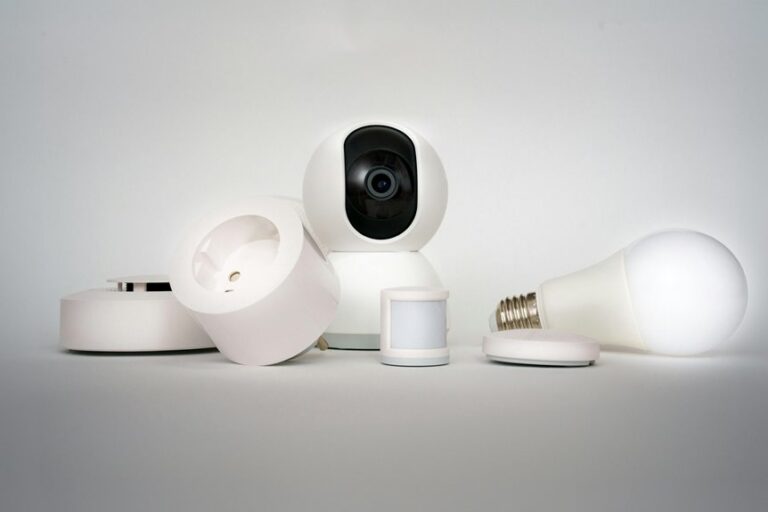


Could the best smart home setup really come from how well your devices cooperate, not how advanced they are? You’ll see that smart plugs, bulbs, and speakers often reveal more about ecosystem quality than flagship gadgets do. Whenever you compare Matter, Google Home, Alexa, and Apple Home, the real differences show up in routines, connectivity, and control. The tricky part is realizing which layer fails earliest.
What Is a Smart Home Ecosystem?
With centralized home automation control, you can adjust lighting, climate, entertainment, and appliances from one interface, whether you’re home or away. This setup uses IoT, AI, and cloud services to streamline tasks, improve energy efficiency, and reduce friction.
Whenever devices talk to each other, you get a more responsive home that feels intuitive, personalized, and part of a connected community.
Best Smart Home Devices to Start With
If you’re starting a smart home, begin with smart plugs, smart bulbs, and a smart speaker because they give you fast, measurable control with minimal setup. Smart plugs let you automate appliances and monitor usage, smart bulbs give you app-based lighting control and scene customization, and a smart speaker ties everything together with voice commands.
Together, they help you test compatibility, build routines, and expand your ecosystem efficiently.
Smart Plugs
Smart plugs are one of the easiest smart home devices to start with because they instantly turn ordinary appliances into app- or voice-controlled devices.
You can use them to automate lamps, coffee makers, fans, and chargers without rewiring anything.
Their biggest advantages are energy monitoring and outlet scheduling: you’ll see which devices waste power, then set precise on and off times to cut costs and reduce standby draw.
In a connected ecosystem, smart plugs help you build routines that feel coordinated and modern, giving you quick wins without a steep learning curve.
They also fit neatly into Google Home, Alexa, Apple Home, and Matter-enabled setups, so you can join a broader smart home network with confidence.
Smart Bulbs
Glowing on command, smart bulbs are one of the simplest ways to bring your lighting into a connected home because you can control brightness, color, and schedules from an app or voice assistant. You’ll get quick wins without rewiring, and that makes your setup feel modern fast. With color temperature control, you can shift from cool focus light to warm evening comfort, matching your routine and mood.
- Automate sunrise wake-ups and bedtime dimming
- Build decorative lighting effects for movie nights or gatherings
- Cut energy use by running lights only as needed
If you’re building a smart home that feels cohesive, bulbs give you an easy entry point. They work best whenever you want practical control and a little personality.
Smart Speakers
Once you’ve got smart bulbs responding to your voice or app, a smart speaker becomes the natural control center for the rest of your home.
You can use it to trigger routines, check climate data, and manage entertainment without reaching for your phone. For the best experience, look for strong audio quality, far-field microphones, and reliable voice recognition, because those features make daily control feel seamless.
Should you live with others, a speaker that supports multi room playback lets you share music or announcements across spaces, creating a coordinated home vibe. In ecosystems like Google Home, Amazon, or Apple, it also acts as the hub that ties devices together. That makes you feel plugged in, not left behind.
Choosing a Smart Home Platform
When you choose a smart home platform, start via checking platform compatibility so your devices can work together without friction.
You’ll also want to weigh voice assistant support, since Google Assistant, Alexa, or Siri can shape how naturally you control your home.
Finally, compare automation customization, because the best platform lets you build routines that match your schedule, sensors, and energy goals.
Platform Compatibility
Choosing the right smart home platform comes down to compatibility, control, and long-term flexibility. You should judge each ecosystem based on how well it supports your current gear and future upgrades.
Strong cross platform interoperability lets you mix brands without breaking routines, while legacy device support protects older lights, sensors, and hubs you already own. That matters whenever you want a setup that feels cohesive, not fragmented.
- Check Matter support for broader device pairing.
- Verify app-based control across phones and tablets.
- Confirm firmware updates keep devices secure and usable.
Whenever you compare platforms analytically, you’ll spot which one fits your home’s mix of devices, budget, and expansion plans. The best choice helps you join a smarter, more adaptable ecosystem without forcing replacements.
Voice Assistant Support
How well a platform responds to voice control can make or break your daily experience, because you’ll use it for quick commands, routines, and hands-free automation.
You want an assistant that understands natural phrasing, supports multiple speakers, and reacts fast across rooms. Google Assistant, Alexa, and Siri each offer distinct voice control benefits, but your best fit depends on the devices you already own and the apps you trust.
Should you’re building a shared home, check language support, privacy controls, and cross-brand compatibility before you commit. Strong assistant setup tips include naming devices clearly, grouping rooms logically, and testing responses after every install.
Once your platform hears you accurately, you’ll feel more connected, confident, and at ease using the whole system.
Automation Customization
The right smart home platform shapes how much control you actually get over automation, because it determines which devices can talk to each other, how routines run, and how you can customize behavior.
You’ll want a platform that matches your devices, privacy preferences, and appetite for tinkering. Google Home, Amazon Alexa, Apple Home, and Matter-ready systems each handle routine triggers differently, so compare scheduling, motion, geofencing, and voice events before you commit.
- Check whether your sensors, lights, and thermostats integrate cleanly.
- Look for app-level editing, scene creation, and conditional logic.
- Favor platforms that support personalized automations and local processing.
When you choose well, you join a smoother ecosystem where your home responds like it knows your habits.
How Smart Home Devices Connect
Smart home devices connect through a mix of Wi‑Fi, Bluetooth, Zigbee, Z-Wave, Thread, and sometimes Ethernet, with a central hub or app coordinating communication between them.
You’ll usually start with device pairing methods: QR scans, Bluetooth handshakes, or app-guided discovery. These wireless communication standards each serve a role. Wi‑Fi gives you direct internet access, Bluetooth helps with quick setup, and Zigbee, Z-Wave, and Thread build low-power meshes that keep devices responsive across rooms.
When you choose compatible gear, you join a more cohesive ecosystem, where signals move reliably and controls stay unified. Matter now helps bridge brands, so you can add devices with less friction and more confidence. In practice, you get a cleaner network, faster response, and a home that feels like it’s built for you.
Smart Home Routines and Scenes
Once your devices are connected, routines and scenes let you automate what happens next, turning individual gadgets into coordinated actions. You can build morning routine automation that raises lights, starts coffee, and reads your schedule, so your day feels smoother and more intentional.
Scenes work differently: you trigger them with one tap or voice command, and they set multiple devices to a shared state. That’s where bedtime scene customization helps you dim lamps, lower thermostats, and mute entertainment without juggling apps.
- Use time, voice, or sensor triggers
- Match actions to your habits and energy goals
- Keep your home feeling responsive and personal
With a well-tuned setup, you’re not just controlling devices—you’re shaping a home that fits your rhythm and makes you feel right at home.
Smart Home Devices for Security
Whenever you add security-focused smart devices, your home can detect, alert, and respond in real time instead of just recording events after the fact.
You can build a layered setup with smart locks, cameras, door sensors, and video doorbells that work together through one app or voice assistant.
With door security monitoring, you’ll know whenever access points open, close, or stay secured, which helps you verify activity at a glance.
Motion based intrusion alerts let you receive precise notifications whenever someone enters a restricted zone, so you can check live feeds and decide fast.
Edge processing and local storage can also reduce delay and keep critical data inside your network, giving you stronger control, faster awareness, and a more connected sense of home.
Common Smart Home Problems and Fixes
Even the best smart home setup can run into reliability, compatibility, or performance issues, but most problems have practical fixes. You’ll usually see device connectivity issues whenever Wi-Fi is weak, firmware is outdated, or too many gadgets crowd the network. Start with rebooting the router, checking 2.4 GHz support, and updating each device.
For app setup troubleshooting, confirm permissions, sign in with the right account, and remove duplicate homes or rooms before pairing again.
- Verify Matter, Google Home, Alexa, or Apple Home compatibility before you buy.
- Place hubs centrally to reduce latency and keep automations responsive.
- Use segmented Wi-Fi or Ethernet for critical devices like cameras and thermostats.
Whenever you track patterns and test one change at a time, you’ll feel more in control and more connected.
Frequently Asked Questions
How Does Matter Improve Multi-Brand Device Compatibility?
Matter improves multi-brand compatibility by giving devices from different brands a shared standard for pairing and control. You can manage lights, thermostats, and sensors in one app, avoid vendor lock-in, and enjoy faster, simpler, more reliable setup.
Can Smart Homes Function During Internet Outages?
Yes, your smart home can keep working during an internet outage if it uses local controls and stored routines. Lights, thermostats, and sensors can still operate, though cloud based features may stop.
What Is Edge Computing in Smart Home Automation?
Edge computing in a smart home processes data on local devices or a home hub instead of relying only on the cloud. It reduces latency, improves response time, and keeps automations quicker, more secure, and more private.
How Do Smart Homes Optimize Energy With Solar Panels?
You optimize energy by scheduling appliances when your panels generate the most power and by syncing batteries to save excess energy for later use. This reduces grid reliance, lowers bills, and keeps your home under control.
Which Future Health Features Will Smart Homes Include?
You’ll likely see sleep tracking, fall alerts, indoor air sensors, and lighting that adjusts to your body clock. Your home may also follow daily routines, spot unusual changes, and tailor wellness habits, making everyday life safer, healthier, and easier to stay in sync.