
You want portable gaming power but don’t want a bulky, overpriced rig; that’s where GTX-equipped laptops shine. You’ll find compact Nitro and GF63 models that balance thermals, upgradeability, and refresh-rate panels, plus Victus options that scale with your budget. I’ll outline the top five picks for 2026, what makes each stand out, and the key specs that should sway your choice-so you can pick the right machine for years of smooth play.
| Acer Nitro 5 Gaming Laptop i5-10300H GTX1650Ti |

| Budget Gaming | Processor: Intel Core i5-10300H (10th Gen) | Discrete NVIDIA GPU: NVIDIA GeForce GTX 1650 Ti (4 GB GDDR6) | Display Size & Resolution: 15.6″ Full HD (1920×1080) IPS | CHECK LATEST PRICE | Read Our Analysis |
| HP Victus 15.6″ Gaming Laptop – i5 RTX 3050 |

| Midrange Power | Processor: Intel Core i5-12450H (12th Gen) | Discrete NVIDIA GPU: NVIDIA GeForce RTX 3050 (6 GB GDDR6) – included for comparison though not GTX | Display Size & Resolution: 15.6″ Full HD (1920×1080) IPS Micro-Edge | CHECK LATEST PRICE | Read Our Analysis |
| HP Victus 15.6″ FHD 144Hz Gaming Laptop i5 16GB |

| Balanced Performer | Processor: Intel Core i5-12450H (12th Gen) | Discrete NVIDIA GPU: NVIDIA GeForce GTX 1650 (4 GB GDDR5) | Display Size & Resolution: 15.6″ Full HD (1920×1080) IPS | CHECK LATEST PRICE | Read Our Analysis |
| MSI GF63 15.6″ Laptop i5-10300H GTX1650 |
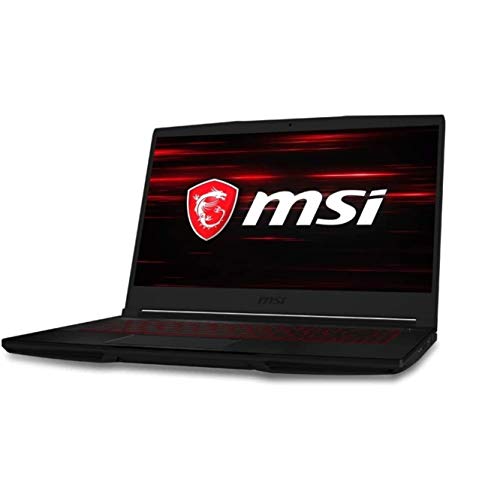
| Entry-Level Stealth | Processor: Intel Core i5-10300H (10th Gen) | Discrete NVIDIA GPU: NVIDIA GeForce GTX 1650 (≈4.1 GB) | Display Size & Resolution: 15.6″ Full HD (1920×1080) IPS | CHECK LATEST PRICE | Read Our Analysis |
| Acer Nitro V 15.6″ Gaming Laptop (i5 RTX 5050) |

| High-Refresh Powerhouse | Processor: Intel Core i5-13420H (13th Gen) | Discrete NVIDIA GPU: NVIDIA GeForce RTX 5050 (8 GB GDDR7) – included though not GTX | Display Size & Resolution: 15.6″ Full HD (1920×1080) IPS | CHECK LATEST PRICE | Read Our Analysis |
More Details on Our Top Picks
Acer Nitro 5 Gaming Laptop i5-10300H GTX1650Ti
If you want a budget-friendly gaming laptop that still handles modern eSports and light AAA titles, the Acer Nitro 5 with its GTX 1650 Ti and 10th-gen i5 is a solid pick-its 144 Hz 15.6″ IPS display and dual-fan CoolBoost cooling mean you’ll get smooth framerates and sustained performance without breaking the bank. You get a 10th-gen i5-10300H up to 4.5 GHz, GTX 1650 Ti with 4 GB GDDR6, and 8 GB DDR4 2933 MHz memory. Storage includes a 256 GB NVMe SSD plus an extra M.2 slot and HDD bay. Wi‑Fi 6, Killer Ethernet, backlit keyboard, and DTS:X Ultra round it out.
- Processor:Intel Core i5-10300H (10th Gen)
- Discrete NVIDIA GPU:NVIDIA GeForce GTX 1650 Ti (4 GB GDDR6)
- Display Size & Resolution:15.6″ Full HD (1920×1080) IPS
- Refresh Rate:144 Hz
- Primary Storage Type & Capacity:256 GB NVMe SSD
- Memory (RAM):8 GB DDR4 2933 MHz
- Additional Feature:Wi‑Fi 6 AX201
- Additional Feature:Twin fans quad exhaust
- Additional Feature:Backlit keyboard
HP Victus 15.6″ Gaming Laptop – i5 RTX 3050
Choose the HP Victus 15.6″ if you want a budget-friendly gaming laptop that balances solid 1080p performance with smooth visuals-its Intel Core i5-12450H and RTX 3050 with 6GB GDDR6 handle modern titles at medium-to-high settings while the 144 Hz IPS display keeps gameplay fluid. You’ll appreciate up to 64 GB DDR4-3200 RAM and up to a 2 TB PCIe NVMe SSD for fast multitasking and quick load times. The anti-glare Full HD panel and backlit keyboard suit long sessions, while Wi-Fi 6 and Windows 11 Pro keep connectivity and software current. It ships in Performance Blue.
- Processor:Intel Core i5-12450H (12th Gen)
- Discrete NVIDIA GPU:NVIDIA GeForce RTX 3050 (6 GB GDDR6) – included for comparison though not GTX
- Display Size & Resolution:15.6″ Full HD (1920×1080) IPS Micro-Edge
- Refresh Rate:144 Hz
- Primary Storage Type & Capacity:Up to 2 TB PCIe NVMe SSD
- Memory (RAM):Up to 64 GB DDR4-3200
- Additional Feature:Up to 64 GB RAM
- Additional Feature:Up to 2 TB SSD
- Additional Feature:Windows 11 Pro
HP Victus 15.6″ FHD 144Hz Gaming Laptop i5 16GB
The HP Victus 15.6″ pairs a 12th‑Gen Intel Core i5 and GTX 1650 to give budget-conscious gamers a smooth 1080p experience at high refresh rates, making it a smart pick if you want solid esports performance without breaking the bank. You get an i5-12450H (8 cores, 12 threads) and GTX 1650 with 4 GB GDDR5, backed by 16 GB RAM and a 1 TB NVMe SSD for fast load times and multitasking. The 15.6″ FHD IPS display runs at 144 Hz with anti-glare and low 9 ms response. Ports include USB-C DP, HDMI 2.1, LAN, SD reader, Wi‑Fi 6, Bluetooth 5.2, and a backlit keyboard.
- Processor:Intel Core i5-12450H (12th Gen)
- Discrete NVIDIA GPU:NVIDIA GeForce GTX 1650 (4 GB GDDR5)
- Display Size & Resolution:15.6″ Full HD (1920×1080) IPS
- Refresh Rate:144 Hz
- Primary Storage Type & Capacity:1 TB PCIe NVMe M.2 SSD
- Memory (RAM):16 GB RAM
- Additional Feature:HDMI 2.1 port
- Additional Feature:SD card reader
- Additional Feature:USB-C DisplayPort
MSI GF63 15.6″ Laptop i5-10300H GTX1650
Gamers and creative students who want solid 1080p performance on a budget will appreciate the MSI GF63 with its GTX 1650, which delivers playable frame rates for many modern titles while keeping the laptop light and affordable. You’ll get a 15.6-inch IPS Full HD display, Intel Core i5-10300H quad-core power, and 8 GB DDR4 memory that handle multitasking and mid-range gaming. Storage is a fast 256 GB PCIe NVMe SSD, and the GTX 1650 with 4.1 GB dedicated video memory provides reliable graphics. The black MSI GF63 balances performance and portability without breaking the bank.
- Processor:Intel Core i5-10300H (10th Gen)
- Discrete NVIDIA GPU:NVIDIA GeForce GTX 1650 (≈4.1 GB)
- Display Size & Resolution:15.6″ Full HD (1920×1080) IPS
- Refresh Rate:(not explicitly listed; standard gaming IPS – assumed 60–144 Hz) – listed spec: 15.6″ IPS (no refresh given)
- Primary Storage Type & Capacity:256 GB PCIe NVMe SSD
- Memory (RAM):8 GB DDR4
- Additional Feature:Slim black chassis
- Additional Feature:256 GB NVMe SSD
- Additional Feature:4.1 GB video memory
Acer Nitro V 15.6″ Gaming Laptop (i5 RTX 5050)
If you want a balanced gaming laptop that handles 1080p high-refresh esports and creative work without breaking the bank, the Acer Nitro V 15.6″ fits that role. You get a 165 Hz Full HD IPS panel that keeps gameplay smooth while the Intel Core i5-13420H (up to 4.6 GHz, 8 cores) and 16 GB DDR4 RAM handle multitasking and streaming. The RTX 5050 Laptop GPU with 8 GB GDDR7 VRAM accelerates modern titles and GPU-accelerated editing. Storage is a fast 512 GB PCIe Gen4 SSD, and Windows 11 Home is preinstalled. Ports include USB-C with DisplayPort, Thunderbolt 4, and USB charging.
- Processor:Intel Core i5-13420H (13th Gen)
- Discrete NVIDIA GPU:NVIDIA GeForce RTX 5050 (8 GB GDDR7) – included though not GTX
- Display Size & Resolution:15.6″ Full HD (1920×1080) IPS
- Refresh Rate:165 Hz
- Primary Storage Type & Capacity:512 GB PCIe Gen4 SSD
- Memory (RAM):16 GB DDR4
- Additional Feature:165 Hz IPS panel
- Additional Feature:Thunderbolt 4 support
- Additional Feature:8 GB GDDR7 VRAM
Factors to Consider When Choosing NVIDIA GeForce GTX Laptops
When choosing a GTX laptop, you’ll want to match the GPU performance tier to the games and settings you plan to run. Don’t overlook the CPU’s multithreading strength, RAM capacity, display refresh rate, and whether storage is fast and upgradable. Balancing those elements guarantees smooth gameplay now and some future-proofing.
GPU Performance Tier
Break down GTX models by number, VRAM, and sustained wattage to get a clear sense of what each laptop can actually deliver: higher model numbers with 4–6+ GB of fast GDDR and more CUDA cores generally give better 1080p frame rates, but thermal and power limits (TGP/TDP) determine whether that potential turns into sustained performance.
When choosing, prioritize GPUs with more CUDA cores and at least 4–6 GB GDDR to keep settings playable in modern and competitive titles. Check the laptop’s TGP/TDP and cooling design-higher sustained wattage preserves boost clocks and improves 1% lows and average FPS. Compare benchmarks (average FPS, 1% lows, 3DMark scores) for the exact SKU, not just the model name. Remember GTX chips favor entry-to-mid 1080p gaming and lack full RTX features, so match expectations accordingly.
CPU And Multithreading
Because modern games and background apps both lean on multiple threads, pick a CPU that balances core/thread count and high single-core turbo to keep GTX laptops smooth: aim for 6–12 cores (12–20 threads) for multitasking and streaming, but don’t sacrifice a ~4.0–4.6 GHz boost clock and ample L3 cache-those preserve single-threaded performance and reduce CPU-side bottlenecks that hurt minimum FPS and frame pacing. You’ll want SMT/Hyper-Threading to improve resilience when you stream, record, or run chat and overlays alongside gaming. For GTX-class GPUs, avoid underpowered quad-cores without SMT; they can cap frame rates at lower resolutions and high refresh. Prioritize CPUs with larger L3 caches and good memory support to minimize stutter and sustain smoother minimum FPS under CPU-bound loads.
RAM Capacity Needs
CPU headroom matters, but RAM shapes how well your GTX laptop handles real-world loads, so plan capacity with both gaming and background tasks in mind. Aim for 16 GB of DDR4 as the sweet spot: it handles modern games, background apps, and OS demands without frequent stutters or long load times. 8 GB can work on low settings but will bottleneck multitasking and cause frame dips. Move to 32 GB if you stream, run heavy multitasking, or do content creation-useful for future-proofing though offering limited gaming gains over 16 GB. Prefer faster DDR4 (around 2933–3200 MHz) in dual-channel mode for better frame rates. Finally, pick a laptop with upgradeable slots so you can expand RAM later cost-effectively.
Display Refresh Rate
Often, you’ll notice smoother motion and less blur when you choose a higher-refresh-rate panel (120 Hz, 144 Hz, 165 Hz or more), but only if your GTX GPU can push frame rates close to those numbers or you use adaptive sync to match varying frame output. Pick a panel that matches the GTX model’s expected performance; otherwise you’ll get inconsistent pacing or tearing unless adaptive sync (G-SYNC Compatible or FreeSync) is active. Higher refresh rates reduce motion blur and usually come with faster response times (around 3–9 ms), sharpening fast camera or object movement. Remember that running at higher refresh rates can slightly increase power draw and heat, so switch to a lower refresh mode on battery to preserve runtime when you don’t need peak smoothness.
Storage And Upgradability
When you pick a GTX laptop, pay close attention to the included storage type and the upgrade options so you don’t get stuck with slow drives or limited capacity down the road. NVMe PCIe SSDs deliver far better sequential and random read/write speeds than SATA SSDs, speeding game loads and system responsiveness. Confirm the PCIe generation-Gen4 offers higher bandwidth than Gen3, which matters for top-tier NVMe performance. Verify physical expansion like extra M.2 PCIe slots and a 2.5″ bay so you can add NVMe drives or large HDDs later. Check per-slot and total system capacity limits to guarantee 1–2 TB upgrades are supported. Finally, prefer designs with easy access panels for straightforward DIY SSD/HDD and RAM upgrades to cut repair costs.
Cooling And Thermal Design
Because GTX chips run hot under sustained loads, you should prioritize laptops with robust cooling architectures-multiple heat pipes, dual or more fans, and wide exhausts-to keep temperatures down and clocks up. Effective multi-heat-pipe and multi-fan setups can cut GPU temps 5–15°C, reducing thermal throttling. Look for larger vapor chambers or copper heat pipes rather than aluminum to improve heat transfer to fins. High-airflow chassis with dedicated intake vents and quad exhaust ports maintain sustained boost clocks by moving heat away efficiently. Check fan control and adaptive boost profiles: they’ll raise RPMs under heavy load and preserve performance but may push noise above 40–45 dB, so judge noise versus thermal benefits. make certain bottom/side intakes aren’t blocked and allow chassis clearance.
Port Selection Options
Don’t skimp on ports-you’ll want a mix that covers modern displays, fast peripherals, and stable networking. Make sure at least one USB-C supports DisplayPort or Thunderbolt so you can run high-res external monitors and use single-cable docking. Multiple USB-A ports (USB 3.0/3.1 or higher) are essential for mice, keyboards, and external drives without dongles. Prioritize HDMI 2.0+-HDMI 2.1 is preferable-to drive 4K at high refresh rates or 144 Hz+ gaming monitors. If you play competitively, a dedicated Gigabit Ethernet (RJ‑45) port gives more stable, lower-latency connections than Wi‑Fi. Finally, check for an SD card reader or spare high-speed M.2/PCIe slots for quick media transfer or future internal expansion.
Battery Life Expectations
Usually you’ll see 3–6 hours of mixed-use battery life on GeForce GTX laptops, but under sustained gaming expect closer to 1–2.5 hours because the discrete GPU draws significant power (often 30–100+ W). You should plan around that gap: discrete GPUs are the main drain compared with integrated graphics, so don’t expect laptop‑like all-day runtimes while gaming. Use power‑saving GPU modes, lower in‑game settings, cap frame rates, and switch to integrated graphics for web or productivity to stretch battery life. Also drop refresh rate to 60 Hz and reduce brightness-those changes can improve runtime by roughly 10–40% depending on the panel. Finally, favor larger batteries; each extra 10–20 Wh typically adds about 5–15 minutes of heavy gameplay.