

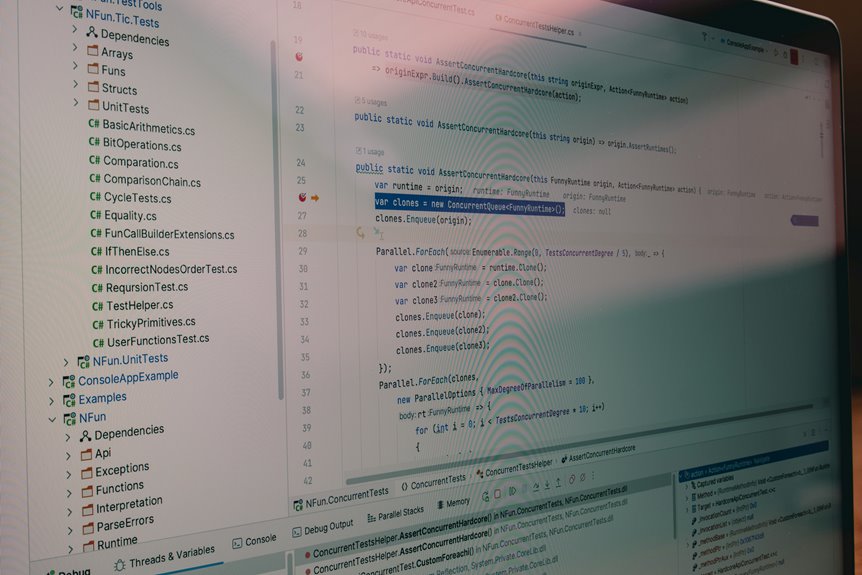
When you consider software, you’re looking at the digital structure that turns plans into action. It works above hardware, using the operating system and other system tools to manage memory, devices, files, and access. You rely on it every day, from apps to services, but the real value comes from how it’s designed, controlled, and updated. The next layer changes everything.
What Software Is and Why It Matters
Software is the digital structure that turns strategy into something people can use, whether you’re launching a new product, improving a process, or providing an existing service online. You rely on it to shape clear paths, consistent actions, and measurable results.
With stronger software literacy, you can talk about needs, trade-offs, and priorities with confidence. That shared comprehension helps your team stay aligned and feel included.
Software matters because it creates digital value: it helps you reach customers faster, reduce friction, and support better decisions. In practice, it connects ideas to action and keeps work focused on results.
At the point you grasp software well, you’re better equipped to choose what fits, guide change, and build momentum together.
How Software Fits in a Computer System
You can consider of hardware as the physical foundation and software as the instructions that tell it what to do.
The operating system sits between them, managing resources and giving applications a stable layer to use.
Application programs then interact with that layer so you can run tasks without handling hardware details directly.
Hardware And Software Roles
Although software and hardware work together, they play different roles in a computer system: hardware provides the physical components, while software directs those components to perform tasks. You rely on hardware for processing, storage, display, and input; you rely on software to coordinate action and shape the experience.
| Role | What it does | Example |
|---|---|---|
| Hardware | Executes physical operations | CPU, memory |
| Software | Sets instructions and rules | Apps, tools |
| Together | Deliver useful results | Your workflow |
As you plan the hardware lifecycle, you consider upgrades, support, and replacement. With device integration, you make sure new parts connect smoothly. Whenever both sides fit well, you and your team gain a reliable system that supports shared goals.
Operating System Layer
At a computer boots, the operating system sits between the hardware and the apps, managing memory, files, devices, and user access. You depend on it to create order, so your work runs on shared rules, not guesswork.
It gives each program the resources it needs, coordinates input and output, and keeps processes from colliding. With platform governance, you define who can use what, and you set operating guardrails that protect stability and trust.
That structure helps you and your team work with confidence, because everyone follows the same foundation. The OS also makes updates, permissions, and security controls easier to manage, so your system stays consistent as needs change.
Application Program Interaction
Applications don’t run in a vacuum; they fit into a larger software structure that shapes how work gets done. You use application interfaces to connect your code to operating system services, libraries, and data sources. That lets you focus on business value while the system handles memory, files, and devices.
| Layer | Role |
|---|---|
| UI | Lets you interact |
| API | Exposes functions |
| OS | Manages resources |
| Middleware | Routes interprocess messaging |
When you design with clear boundaries, you help your team stay aligned and build software that’s easier to test, scale, and support. Your app can call another service, send requests, and receive responses without being aware of every internal detail. That’s how you fit into a shared platform and keep the whole system working smoothly together.
What Software Architecture Looks Like
Whenever you map software architecture, you usually start with core structural layers that separate responsibilities and keep the system readable.
You then trace how components interact, since those paths define how data, control, and dependencies move through the program.
With that structure in view, you can spot where to simplify, scale, or isolate change.
Core Structural Layers
At the heart of software design, you define how digital work is structured across three layers: the business purpose, the delivery model, and the technical build. You keep each layer clear so your team feels aligned and confident.
| Layer | Your focus |
|---|---|
| Business purpose | What users need |
| Delivery model | Who owns delivery |
| Technical build | How you implement |
| Digital governance layers | What gets approved |
| Program ownership models | Who decides and supports |
You connect strategy to execution without confusion. Whenever you set these boundaries, you reduce friction, protect priorities, and help everyone see where they belong. You don’t need complexity; you need shared language, firm roles, and steady coordination. That’s how you shape software architecture into something your group can trust and build together.
Component Interaction Paths
Once you map the core layers, you can see how components interact across the system: data moves, services call each other, users trigger workflows, and governance controls what changes. You trace module coupling paths to spot tight links, concealed dependencies, and brittle handoffs. You also design event driven interfaces so teams can respond without waiting on direct calls. Whenever you keep these paths clear, you help your group ship faster, test safely, and scale with less friction.
You’ll notice three practical views: request flow, data flow, and control flow. Each one shows where ownership sits and where risk grows. Use them to align teams, reduce overlap, and build trust.
In a well-shaped system design, every component knows its neighbors, and you’re not traversing alone.
Operating Systems and System Software
Before you define any digital program, you need the operating systems and system software underneath it to be clear, reliable, and aligned with how the business works.
You depend on the OS to start the kernel boot process, manage memory, and keep services available. You also rely on device driver management so your hardware, network, and storage work as one trusted platform. System software gives you shared controls for security, updates, logging, and performance, so your teams can move with confidence.
Once you standardize these layers, you reduce friction, limit surprises, and help everyone feel they’re working from the same foundation. That shared base supports consistent delivery, easier support, and smoother change across your digital environment.
Common Types of Application Software
Application software turns the stable system foundation into tools people actually use to do work, serve customers, and manage digital programs.
You’ll usually lean on a few common types that keep your team moving together:
- Productivity suites for documents, spreadsheets, and slides
- Communication apps for chat, email, and meetings
- Customer relationship tools for tracking leads and support
- Project and task software for planning work
- Utility software for backups, cleanup, and security checks
Each type supports a different part of your workflow, but they work best if they fit your goals and your people.
If you choose well, you create a shared digital space where everyone can contribute, stay aligned, and deliver with confidence.
Programming Languages Used to Build Software
When you build software, the programming language you choose shapes how fast you move, how easily your team collaborates, and how well the final product fits your digital goals.
You’ll usually weigh JavaScript, Python, Java, C#, or Go, depending on your platform, team skills, and release pace.
For web teams, JavaScript often supports shared momentum across front-end and back-end work.
For data-heavy products, Python can help you prototype quickly and iterate together.
For enterprise systems, Java and C# often give you structure and broad ecosystem support.
Watch language choice trends, but keep your users foremost.
If you need multilingual localization options, choose languages and architectures that make text handling, formatting, and regional support easier for your team.
How Source Code, Compilers, and Interpreters Work
Source code is the human-readable form of a program, and compilers or interpreters turn it into instructions a computer can run. You write source code in a language your team understands, then choose how it runs through source compilation or interpreter execution.
A compiler translates the whole program at the outset, creating an executable you can launch quickly. An interpreter reads and runs code step by step, which helps you test ideas fast.
- Source code: your readable starting point
- Compiler: whole-program translation
- Interpreter: line-by-line execution
- Executable: ready-to-run output
- Runtime: where behavior appears
When you know this flow, you’ll join other builders who move from idea to working software with confidence.
How Software Is Designed and Tested
Software design starts through defining the problem, the users, and the result you want, then turns that into a clear plan for delivery and testing. You break the work into modules, set interfaces, and choose patterns that fit your team and goals.
Then you shape a test strategy that checks each part and the whole system. You write unit tests for logic, integration tests for connections, and user tests for real tasks. Quality assurance keeps everyone aligned through reviewing requirements, test results, and edge cases.
Whenever you design with tests in mind, you reduce surprises and build trust across the group. You’re not working alone; you’re part of a team that learns, improves, and ships software with confidence.
How Software Stays Updated and Secure
You keep software updated through clear delivery channels, like in-app updates, managed releases, and cloud deployment pipelines.
You keep security current by setting regular patch cycles so fixes land before risks grow.
You also use automatic threat monitoring to spot unusual activity promptly and respond fast.
Update Delivery Channels
Once software is live, update delivery channels keep it secure, stable, and useful via pushing fixes, patches, and new features through a controlled path. You choose the right lane, and channel governance keeps approvals, timing, and ownership clear. Omnichannel routing lets you send updates through app stores, web deploys, device managers, or partner portals without confusing your users.
- One release notice reaches every audience
- One rollback path protects trust
- One tested package lowers drift
- One coordinated schedule reduces surprise
- One feedback loop helps you belong in the process
With this structure, you and your team stay aligned, avoid duplicate work, and deliver improvements that feel predictable, welcome, and well managed.
Security Patch Cycles
When security risks appear, patch cycles keep your software protected through moving fixes from detection to deployment via a controlled, repeatable process. You and your team review advisories, rank impact, and choose patch timing that fits service hours and user needs.
Initially, you test updates in a staging environment, then you schedule release windows, notify stakeholders, and apply changes with clear ownership. In case something breaks, you can trigger emergency rollback to restore service fast and protect trust.
This rhythm keeps your release work orderly and helps everyone feel confident that security isn’t an afterthought. Through treating patches as a shared routine, you stay current, reduce exposure, and keep your digital home safer for the people who rely on it.
Automatic Threat Monitoring
- Track logs, endpoints, and APIs continuously.
- Compare behavior against trusted baselines.
- Escalate suspicious events to responders.
- Confirm fixes and close the loop.
- Share dashboards so everyone stays aligned.
That rhythm helps you belong to a security-minded team that learns together.
With automated checks, you reduce downtime, strengthen trust, and keep releases moving with confidence.
Open Source vs. Proprietary Software
Open source and proprietary software shape your digital program in different ways, so you need to choose with clear intent. Open source invites you into a shared ecosystem where community contribution can strengthen features, visibility, and trust.
It also asks you to manage license governance carefully, so your team stays compliant and confident. Proprietary software gives you tighter control, formal support, and a clearer vendor relationship, which can help whenever you need predictability.
You don’t have to pick a side for everything. Instead, match each tool to your goals, risk tolerance, and operating model. Whenever you balance openness with control, you build a program that fits your people, respects your standards, and lets your team move together with purpose.
Common Software Failures and Why They Happen
Software projects often fail for the same predictable reasons: unclear goals, weak ownership, poor sequencing, and teams that aren’t aligned on what “digital” is meant to deliver. You can avoid that pattern by naming the work, assigning responsibility, and keeping everyone moving together.
- Vague scope breeds rework.
- Weak governance hides risk.
- Technical debt piles up fast.
- Deployment mishaps shake trust.
- Late feedback turns small issues into costly fixes.
Whenever you skip discovery, alpha, beta, and live discipline, you let assumptions guide delivery. You’ll feel the drift in missed targets, frustrated teammates, and users who don’t feel heard.
Should your group share a clear roadmap and common language, you build belonging and reduce chaos.
How Software Powers Apps, Devices, and Services
If you look under the hood of modern digital products, software acts as the control layer that connects apps, devices, and services into one working system. You rely on it to turn requests into actions, sync data, and keep experiences consistent across channels.
In an app, code shapes what you see and do. In hardware, embedded device firmware tells sensors, screens, and motors how to respond. In the cloud, service orchestration layers coordinate APIs, rules, and workflows so everything moves together.
You’re part of a larger digital network once software links each piece with clear logic. That structure helps your team deliver faster, reduce friction, and create products people trust. Whenever software works well, your tools feel seamless, connected, and ready for use.
Where Software Development Is Headed Next
As software keeps moving from isolated code to business capability, you’ll see development shift toward clearer digital milieu, tighter operating models, and more modular delivery. You’ll plan work with AI assisted software planning, so priorities, dependencies, and risks stay visible. You’ll also adopt a composable platform strategy, letting teams assemble services instead of rebuilding them. This approach helps you move faster, align with business owners, and keep governance simple.
- Define results first
- Split work into reusable modules
- Connect teams through shared standards
- Test initial with real users
- Scale what proves useful
You’ll belong in a model where product, data, and engineering collaborate openly. That’s where software’s next chapter lives: adaptive, measurable, and built for change.
Frequently Asked Questions
How Is Digital Work Defined Across Products, Services, and Process Improvements?
Define digital work by setting clear boundaries around three categories: new products and services, improved digital delivery, and process improvement. This helps teams coordinate, cuts confusion, and builds a shared purpose.
Which Operating Model Best Fits a Centralized or Federated Digital Program?
Choose a centralized model when one team should hold the decision rights. Choose a federated model when governance is shared and common standards are needed.
What Are the Discovery, Alpha, Beta, and Live Stages?
Discovery surfaces user needs and testable ideas. Alpha creates and evaluates a small working version. Beta broadens use with feedback and strengthens release readiness. Live puts the service into regular delivery you can rely on.
Which Roles Should Lead a Digital Program Team?
Lead the team with a CDO or CIO, backed by executive sponsors and leaders in product, data, and delivery. Because fewer than 30% of digital programs reach their targets, defined ownership keeps the work aligned and accountable.
How Should a Digital Roadmap Balance Priorities, Ownership, and Timelines?
Balance priorities, ownership, and timelines by stating the tradeoffs behind each priority, naming a single owner for every initiative, and sequencing work in clear stages. This keeps teams aligned, limits overload, and creates steady momentum.