
If you’re looking to upgrade your right-handed mouse in 2026, you’ll want one that balances comfort, precision, and connectivity. I’ll cover vertical and traditional shapes, wireless options with long battery life, and sensors up to 6400 DPI that suit both work and light gaming. There’s also tactile grip, customizable buttons, and charging convenience to take into account-so let’s compare the top picks and what makes each stand out.
| Perixx PERIMICE-513 Wired Ergonomic Right-Handed Vertical Mouse |
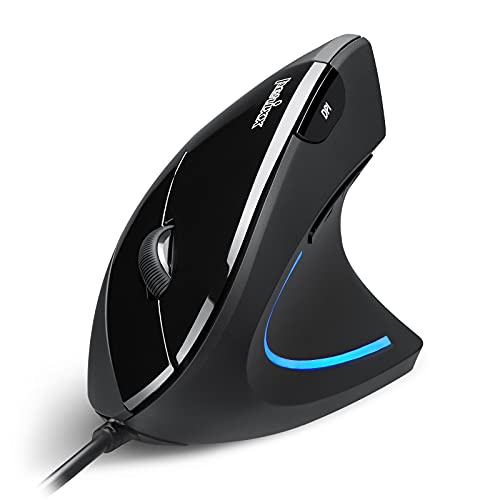
| Best for Wrist Relief | Ergonomic Shape: Right-handed vertical ergonomic design | Connectivity Modes: Wired USB-A only | Adjustable DPI: 1000 / 1600 / 3200 / 6400 | VIEW LATEST PRICE | Read Our Analysis |
| Acer Bluetooth Wireless USB Mouse for Laptop/Desktop |
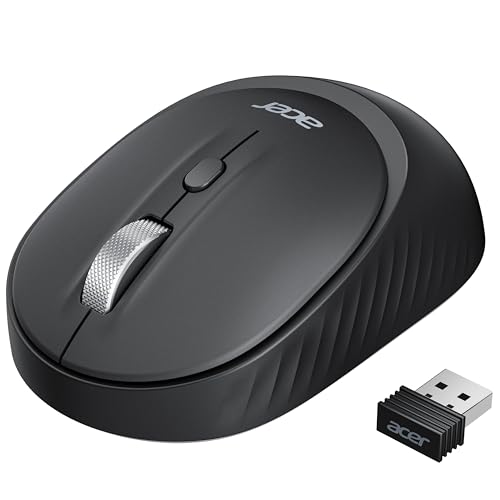
| Best for Portability | Ergonomic Shape: Symmetrical slim design (suitable for both hands) – marketed for travel but ergonomics noted | Connectivity Modes: Dual-mode – Bluetooth (two slots) and 2.4GHz via USB-A receiver | Adjustable DPI: 800 / 1200 / 1600 | VIEW LATEST PRICE | Read Our Analysis |
| MEETION Ergonomic Wireless Vertical Rechargeable RGB Mouse |

| Best for Long Battery Life | Ergonomic Shape: Right-handed vertical ergonomic design (best for medium–large hands) | Connectivity Modes: Dual wireless – Bluetooth (5.0 & 3.0) and 2.4GHz USB | Adjustable DPI: 800 / 1200 / 1800 / 2400 | VIEW LATEST PRICE | Read Our Analysis |
| ProtoArc EM11 Ergonomic Bluetooth Rechargeable Vertical Mouse |

| Best for Multi-Device Use | Ergonomic Shape: Right-handed vertical ergonomic design (fits hands under 7.5″ recommended) | Connectivity Modes: Dual wireless – Bluetooth 5.0 and 2.4GHz USB-A receiver | Adjustable DPI: 1000 / 1600 / 2400 | VIEW LATEST PRICE | Read Our Analysis |
| Ergonomic 2.4G/Bluetooth Rechargeable Silent Wireless Mouse |

| Best for Quiet Offices | Ergonomic Shape: Right-handed vertical ergonomic design (handshake/neutral position) | Connectivity Modes: Dual-mode – Bluetooth (5.2/3.0) and 2.4GHz USB receiver | Adjustable DPI: 1000 / 1200 / 1600 | VIEW LATEST PRICE | Read Our Analysis |
More Details on Our Top Picks
Perixx PERIMICE-513 Wired Ergonomic Right-Handed Vertical Mouse
If you’re after a budget-friendly ergonomic option that keeps your wrist neutral, the Perixx PERIMICE-513 is a solid pick: its vertical shape and soft rubber coating reduce wrist strain for long sessions, and the plug-and-play wired connection works with Windows right out of the box. You’ll appreciate the neutral grip, lightweight build (0.35 lb) and compact dimensions for desktop setups. Six buttons include silent left/right clicks and functional back/forward keys for web navigation, though they’re not programmable and aren’t supported on macOS. DPI toggles from 1000 to 6400, the 5.9-ft USB-A cable offers flexibility, and a 12-month warranty covers defects.
- Ergonomic Shape:Right-handed vertical ergonomic design
- Connectivity Modes:Wired USB-A only
- Adjustable DPI:1000 / 1600 / 3200 / 6400
- Back/Forward Buttons:Yes – back and forward buttons (not programmable; not supported on macOS)
- Quiet/Silent Clicks:Left/right silent click buttons (other buttons produce normal click sounds)
- Recharge/Power Option:Wired powered via USB-A cable (no battery; cable length 5.9 ft)
- Additional Feature:Soft rubber-coated surface
- Additional Feature:Smooth non-stepped scroll
- Additional Feature:12-month limited warranty
Acer Bluetooth Wireless USB Mouse for Laptop/Desktop
The Acer Bluetooth Wireless USB Mouse is a great pick for travelers and multitaskers who need a compact, dual-mode mouse that can pair with up to three devices (two via Bluetooth plus a 2.4GHz USB receiver). You’ll like the slim, symmetrical shape that fits either hand and tucks easily into a bag. Switch among Bluetooth 1, Bluetooth 2, and the USB-A receiver (stored in the battery compartment) for flexible setups, though you can’t use Bluetooth and 2.4GHz simultaneously. Silent clicks, adjustable DPI (800/1200/1600), and magnetic snap-on battery cover boost usability; AA battery isn’t included and sleep mode needs a few clicks to wake.
- Ergonomic Shape:Symmetrical slim design (suitable for both hands) – marketed for travel but ergonomics noted
- Connectivity Modes:Dual-mode – Bluetooth (two slots) and 2.4GHz via USB-A receiver
- Adjustable DPI:800 / 1200 / 1600
- Back/Forward Buttons:Not explicitly listed as separate back/forward buttons (focus on basic buttons/navigation via standard clicks)
- Quiet/Silent Clicks:Silent clicks for quiet operation
- Recharge/Power Option:AA battery powered (battery not included); receiver stored in battery compartment
- Additional Feature:Triple-device switching
- Additional Feature:Magnetic snap battery cover
- Additional Feature:USB receiver storage
MEETION Ergonomic Wireless Vertical Rechargeable RGB Mouse
For anyone dealing with wrist or forearm strain, the MEETION BTM010’s vertical shape and natural grip make it a top pick among right-handed mice, especially if you have medium to large hands. You’ll appreciate its 4.3 x 3.1 x 2.8-inch frame and 0.24 lb weight for sustained comfort. Choose Bluetooth 5.0/3.0 or 2.4G; Bluetooth is steadier in crowded wireless setups. Rechargeable battery lasts up to two months without RGB (about one month with lighting). Four DPI levels (800–2400), forward/back buttons (not in Safari), smooth scroll wheel, durable build, and a slick surface for desktop glide.
- Ergonomic Shape:Right-handed vertical ergonomic design (best for medium–large hands)
- Connectivity Modes:Dual wireless – Bluetooth (5.0 & 3.0) and 2.4GHz USB
- Adjustable DPI:800 / 1200 / 1800 / 2400
- Back/Forward Buttons:Yes – forward and backward buttons (do not work with Safari)
- Quiet/Silent Clicks:Quiet operation implied (no loud click claim; smooth surface) – rechargeable wireless with standard click profile
- Recharge/Power Option:Rechargeable internal battery (USB-C charging; long battery life)
- Additional Feature:Rechargeable with RGB
- Additional Feature:USB-C adapter included
- Additional Feature:Broad OS compatibility
ProtoArc EM11 Ergonomic Bluetooth Rechargeable Vertical Mouse
Choose the ProtoArc EM11 if you want a compact vertical mouse that prioritizes wrist comfort-it’s built for right-handed users with hands under 7.5 inches and supports Bluetooth or a 2.4GHz USB receiver for up to three simultaneous device connections. You’ll get vertical ergonomics that promote natural wrist alignment and a relaxed palm posture to reduce strain, though expect a 1–2 week adjustment. The rechargeable 500mAh battery charges via included Type-C cable. DPI options (1000/1600/2400) offer precise tracking. Back/forward buttons help web navigation but aren’t programmable and don’t work on Mac. Measure your hand for the best fit.
- Ergonomic Shape:Right-handed vertical ergonomic design (fits hands under 7.5″ recommended)
- Connectivity Modes:Dual wireless – Bluetooth 5.0 and 2.4GHz USB-A receiver
- Adjustable DPI:1000 / 1600 / 2400
- Back/Forward Buttons:Yes – back and forward buttons (not programmable; incompatible with Mac OS)
- Quiet/Silent Clicks:Quiet left and right click buttons (scroll and nav buttons produce standard noise)
- Recharge/Power Option:Built-in 500mAh rechargeable battery (Type-C charging cable included)
- Additional Feature:500mAh built-in battery
- Additional Feature:Type-C charging cable
- Additional Feature:Fits hands <7.5" length
Ergonomic 2.4G/Bluetooth Rechargeable Silent Wireless Mouse
If you want a quiet, rechargeable mouse that switches seamlessly between a laptop and a phone, this ergonomic 2.4G/Bluetooth model is a great fit-its vertical right-handed shape eases wrist strain while dual-mode connectivity (Bluetooth 5.2/3.0 plus a 2.4GHz USB receiver) lets you pair two devices and toggle between them with one button. You’ll get neutral handshake posture, reduced wrist pressure, and optical tracking with 1000/1200/1600 DPI for precise control on varied surfaces. Six near-silent buttons suit quiet spaces; Back/Forward speed browsing (not on Mac). Type-C charging lasts about 1–3 months; power-save wakes on click.
- Ergonomic Shape:Right-handed vertical ergonomic design (handshake/neutral position)
- Connectivity Modes:Dual-mode – Bluetooth (5.2/3.0) and 2.4GHz USB receiver
- Adjustable DPI:1000 / 1200 / 1600
- Back/Forward Buttons:Yes – back and forward buttons (not compatible with Mac OS)
- Quiet/Silent Clicks:Six silent buttons for near-silent clicks
- Recharge/Power Option:Built-in rechargeable battery (Type-C charging; 1–3 months per charge)
- Additional Feature:Simultaneous two-device connection
- Additional Feature:LED activity indicator
- Additional Feature:Auto power-saving mode
Factors to Consider When Choosing Right-Handed Computer Mice
When choosing a right-handed mouse, you’ll want to match the ergonomic fit and size to your hand and preferred grip style so it feels natural during long use. Check connectivity and compatibility with your devices, plus battery life and charging options to avoid interruptions. Finally, make sure the button layout and functions suit your workflow, whether you need extra programmable keys or a simple setup.
Ergonomic Fit And Size
Comfort matters: pick a right-handed mouse that keeps your wrist neutral and matches your hand size so you won’t strain during long sessions. Choose an ergonomic vertical design if you want an upright wrist posture; it reduces wrist pressure and discomfort over time. Match dimensions to your hand-some models state suitability for medium or large hands or specify hand-length limits-to guarantee proper contact and control. Check materials and surface texture: soft rubber or smooth finishes give a secure grip without causing extra fatigue. Expect a 1–2 week adjustment period as your muscles adapt and wrist pressure decreases. Finally, evaluate the palm posture the shape encourages; a relaxed palm minimizes repetitive strain and supports long-term comfort.
Grip Style Compatibility
How do you know a mouse will feel right in your hand? Match the mouse’s shape and size to your palm, claw, or fingertip grip so control and comfort stay consistent. If you favor a handshake posture, consider an ergonomic vertical mouse; it keeps your wrist neutral and cuts long-term strain, though you may need an adjustment period. Check dimensions and contouring against your hand size to prevent fatigue during long sessions. Look for textured or rubberized surfaces if your hands get sweaty-these boost grip security. Finally, confirm button placement and size let you click without shifting your hand, supporting efficient navigation and reducing finger strain. Prioritize a model that aligns with your natural grip.
Connectivity And Compatibility
Because your setup and devices vary, connectivity and compatibility are key when choosing a right-handed mouse: decide between wired USB, Bluetooth, or 2.4GHz wireless based on convenience and latency needs. Wired mice often use USB-A and work plug-and-play without drivers, while wireless options require a receiver or Bluetooth pairing. Check OS support-Windows, macOS, Linux, and Android implementations differ-and confirm your specific OS version is supported. If you switch between a laptop and tablet, prefer mice with multi-device pairing and quick-switch buttons. Finally, verify that side buttons, backward/forward navigation, and any customization features function on your platform; some advanced buttons need vendor software that isn’t available on every operating system.
Battery Life And Charging
Alongside connectivity, battery life and charging habits shape how reliable a right-handed wireless mouse feels day to day. You’ll see rechargeable mice last anywhere from about one month to three months per charge depending on usage and features like RGB lighting. Look for USB-C lithium‑ion packs for faster, more convenient top‑ups. Models with power‑saving modes automatically cut draw after inactivity, extending runtime without you thinking about it. Avoid fast chargers and prolonged overcharging to protect battery longevity. Check for clear battery indicators-LEDs or on‑screen alerts-so you’re not surprised by a dead mouse mid‑task. Balancing runtime, charging convenience, and preservation practices helps you pick a mouse that stays ready when you need it.
Button Layout And Function
When you pick a right‑handed mouse, button layout and function determine how efficiently you work and how natural the device feels in your hand; beyond the standard left/right clicks and scroll wheel, look for intuitive side buttons (usually back/forward) and quiet‑click options if you need a low‑noise setup. You’ll commonly see two main buttons, a scroll wheel, and one or more left-side buttons for navigation or custom actions. Count buttons based on your tasks: basic browsing needs two to four, productivity or gaming may benefit from six or more. Remember some back/forward keys aren’t programmable and might behave differently across operating systems or apps. Test quiet clicks if noise matters and confirm button mapping support before you buy.
Tracking Accuracy And DPI
Button layout affects how you work, but how the cursor actually moves comes down to tracking accuracy and DPI. You should pick a mouse with a reliable optical sensor and adjustable DPI so movement on screen matches your hand. Sensors determine how precisely physical motions translate to cursor shifts; good optical tracking stays smooth across common surfaces and reduces large arm gestures that cause fatigue.
Adjustable DPI-typically 800 to 6400 on right-handed models-lets you dial sensitivity for tasks: higher DPI speeds cursor travel and aids fine control in design or gaming, while lower DPI gives steadier, deliberate movement. Balance DPI to avoid jittery or sluggish response, and test settings to match your workspace, grip, and workflow for maximum comfort and productivity.
Frequently Asked Questions
Do These Mice Work With macOS Gestures and Gestures Customization?
Absolutely-they’ll usually support macOS gestures and customization, though compatibility varies by model and driver. You’ll get powerful gesture mapping with official apps or third-party tools, but double-check each mouse’s macOS support before buying.
Can I Use Any of These Mice for Console Gaming (Ps5/Xbox)?
Generally, you can’t use PC mice natively for PS5/Xbox console gaming, but you can with adapters or official peripheral support; check each mouse’s wireless compatibility and adapter latency, and expect limited button remapping compared to PC.
Are Replacement Parts (Shells/Buttons) Available for These Models?
Yes – you’ll find replacement shells and buttons for many popular models, especially from modders and third-party sellers; official parts vary by brand, so check manufacturer warranties, community forums, and marketplaces before buying.
Do Any of These Mice Support Linux Plug-And-Play Without Drivers?
Yes – shockingly, many do work out of the box on Linux; you’ll plug them in and they’ll behave like polite guests, though advanced features (macros, RGB) often need vendor drivers or open-source utilities to enable.
What Are the Repair/Warranty Service Centers Worldwide?
You’ll find warranty and repair centers through each manufacturer’s global support site-Logitech, Razer, Corsair, SteelSeries, ASUS-where you’ll enter your region to get authorized service locations, mail-in options, and local partner contact details.