
Nearly 40% of laptop slowdowns come from background apps, low free storage, and outdated software. You can speed yours up through cutting startup programs, clearing disk space, closing unused tasks, and updating drivers and Windows. Power settings and cooling matter too, but the biggest gains often come from simple fixes you can apply in minutes—if you know where to start.
What’s Slowing Down Your Laptop?
Your laptop usually slows down while it’s running out of memory, storage, or processing headroom. You’ll notice delays while background tasks keep using CPU and RAM after you’ve stopped working. Low free disk space also hurts performance because Windows uses storage for virtual memory once RAM fills up.
System clutter, like temporary files and unused desktop items, adds extra work and can increase background activity. Outdated apps and drivers can also create inefficiencies, especially during gaming, editing, or multitasking. Whenever you share a laptop with others, these bottlenecks can feel familiar fast.
Check Task Manager to spot heavy processes, then reclaim space and close apps you don’t need. Simple maintenance helps your system feel responsive again.
Clean Up Startup Programs
Check your startup apps and identify which ones launch upon you sign in.
Disable unneeded launchers to reduce boot load and free system resources.
Keep only essential programs enabled so your laptop starts faster and runs more smoothly.
Startup App Audit
Startup apps can quietly slow your laptop before you even open a program, so it’s worth auditing them and disabling anything you don’t need at boot. You’ll cut login impact, reduce memory use, and keep your setup feeling responsive. Open Task Manager or your system settings, then review each entry with care. Check startup permissions, app purpose, and vendor name before you decide.
- Keep security tools and drivers that you trust.
- Disable chat, cloud sync, and updaters you rarely use.
- Recheck the list after major software installs.
This simple habit helps you and other power users keep startup lean without guesswork. Should your laptop still feel sluggish, compare new entries against the apps you actually launch daily, then trim the extras with confidence.
Disable Unneeded Launchers
When you spot launchers you never use, disable them so they stop consuming memory and delaying boot time. Open Task Manager, check the Startup tab, and disable auto launchers that don’t need to start with Windows. This simple cleanup helps reduce background launchers, freeing RAM and lowering disk activity as soon as you log in.
You’ll notice a faster desktop load, smoother multitasking, and less fan noise because fewer apps compete for resources. Keep the list lean by reviewing it after installing new software, since many programs add themselves without asking. If you’re part of a team of careful users, this habit keeps your laptop responsive and predictable.
Revisit startup entries regularly, and only keep launchers that truly support your daily workflow.
Prioritize Essential Programs
Even a well-equipped laptop can feel sluggish whenever too many programs load at sign-in, so prioritize only the essentials in your startup list. Open Task Manager, review each entry, and use task prioritization to keep security, cloud sync, and hardware utilities that you need right away. Make app selection based on actual startup impact, not habit.
- Disable chat, media, and shopping apps you don’t open at boot.
- Keep antivirus, touchpad, audio, and backup tools that support daily work.
- Recheck the list after updates, since new launchers can appear.
This cleanup shortens login time, reduces background load, and helps your system feel faster.
You’ll join a more efficient workflow, with fewer distractions and better response whenever you start your day.
Free Up Disk Space Fast
Freeing up disk space fast can immediately improve laptop responsiveness because Windows uses hard drive space for virtual memory as soon as RAM fills up. You can start with disk cleanup to remove temporary files, cached updates, and recycle bin items.
Then delete large downloads you no longer need and move personal files to cloud storage or an external drive. For better storage optimization, sort folders by size and clear duplicate installers, old screenshots, and media exports that pile up quickly.
Keep at least 15% of the drive free so Windows can swap data efficiently and keep everyday tasks snappy. Once you trim clutter regularly, you stay in control of your system and keep your laptop running like part of the team.
Close Apps You’re Not Using
Closing apps you’re not using can quickly improve laptop speed because every open program consumes memory, CPU time, and background system resources. You’ll feel more in control once you keep only the apps you need active, especially during multitasking. Close chats, browsers, editors, and media players you’ve finished with so your system can focus on the task that matters now.
- Check Task Manager for heavy apps.
- End unneeded background tasks.
- Reopen only the tools you’re actively using.
This habit also helps reduce slowdowns caused by memory leaks, which can quietly grow over time in long-running apps.
Through trimming extra processes, you and your laptop stay aligned, responsive, and ready for steady performance without unnecessary strain.
Update Drivers and System Software
Keeping your drivers and system software current is one of the simplest ways to maintain laptop speed and stability. You should install operating system updates promptly, because they fix bugs and improve performance.
Focus on graphics and network drivers, since they often deliver the biggest gains for everyday use. Before you update, run driver compatibility checks so new files match your hardware and avoid conflicts.
Turn on automatic updates whenever you can, and use security patch scheduling to keep protection current without missing releases. Keep your applications updated too, since newer versions usually work better with your system.
If you stay consistent, you’ll join other users who get smoother performance, fewer errors, and a more reliable laptop experience.
Adjust Power Settings for Better Speed
Whenever you want a faster laptop, power settings can make a noticeable difference. You can open your system’s power mode settings and choose a profile that favors performance over conservation. This helps your CPU respond faster, keeps background limits lower, and gives you the snappier feel your team expects.
- Select High performance or Best performance whenever you’re plugged in.
- Review battery performance tradeoffs before switching on mobile use.
- Keep a balanced profile for travel, then change it back whenever speed matters most.
You’ll stay in control without guessing. Whenever your laptop still feels slow, check whether your current plan is restricting processor activity or dimming components to save energy.
Small changes here often deliver immediate gains and help you work with confidence.
Upgrade Hardware for Faster Performance
You can speed up your laptop by adding more RAM, which helps with multitasking and reduces memory swapping.
Replacing a hard drive with an SSD cuts boot times and makes apps load faster.
Should your system runs hot, upgrading thermal cooling can prevent throttling and keep performance steady.
Add More RAM
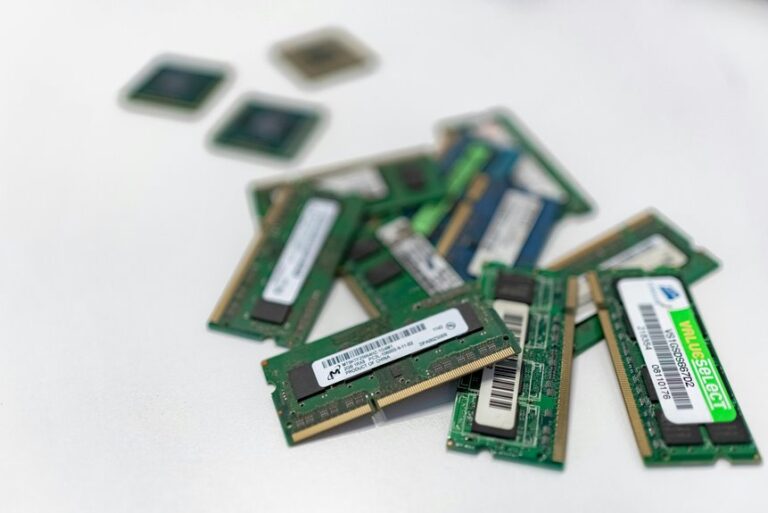
Adding more RAM is one of the most cost-effective ways to speed up a laptop, especially whenever you multitask or run memory-heavy apps. You increase memory capacity, reduce swapping, and push past your multitasking limits with less lag.
Before you buy, check your system’s supported type, slots, and maximum size so you match the upgrade correctly. Then install matched modules to keep performance stable.
- Open Task Manager to view current usage and available slots.
- Choose RAM that fits your laptop’s specifications.
- Install, reseat, and test the new modules.
With the right upgrade, you’ll keep more apps open, move faster between tasks, and feel like your laptop’s finally keeping up with you.
Switch To SSD
Switching to a solid-state drive (SSD) is one of the fastest hardware upgrades you can make for a laptop. You’ll cut boot times, speed up app launches, and reduce file-access lag, so your machine feels responsive again. These SSD migration benefits matter most whenever you juggle work, study, or creative tasks.
| Option | Impact |
|---|---|
| SATA SSD | Big speed gain |
| NVMe SSD | Faster data transfer |
| External SSD setup | Portable performance improvement |
| Cloning your drive | Easier migration |
| Fresh install | Clean system start |
Whenever your laptop supports it, replace the internal drive; otherwise, an external SSD setup over USB 3.0 still helps. You’ll fit right in with users who value efficient, reliable hardware and a smoother daily workflow.
Upgrade Thermal Cooling
As heat builds up, your laptop throttles performance to protect the CPU and GPU, so improving thermal cooling can restore consistent speed. You can join the users who keep their machines responsive through treating heat as a hardware issue, not just an annoyance.
Upgrade cooling with these steps:
- Perform fan dust cleaning to remove airflow blockages and lower internal temperatures.
- Schedule thermal paste replacement whenever the CPU runs hot, since worn paste reduces heat transfer.
- Use a cooling pad and clear vents so your system can dissipate heat more efficiently.
Whenever you reduce thermal stress, you’ll often see steadier clocks, quieter operation, and fewer slowdowns during gaming, editing, or multitasking. That’s the kind of performance your setup should deliver.
Keep Laptop Speed High Over Time
To keep your laptop fast over time, combine regular maintenance with smart system management. You’ll protect battery health using balanced power settings, avoiding constant high-performance mode whenever you’re unplugged, and keeping heat low.
End unnecessary background maintenance by closing unused apps, disabling startup items, and checking Task Manager for resource-heavy processes. Restart daily to clear memory leaks and refresh system resources.
Keep Windows, drivers, and apps updated so performance stays stable and secure. Delete temporary files, organize folders, and keep free disk space for virtual memory.
When you notice lag, use built-in tools like Microsoft PC Manager or SupportAssist to clean clutter and optimize startup. These habits help your laptop stay responsive, reliable, and ready for your workflow.
Frequently Asked Questions
What Tools Show Which Processes Use the Most RAM?
Task Manager lists the processes using the most RAM, so you can see which apps are taking up memory at a glance. For deeper detail, use Process Monitor to inspect memory use and identify the biggest consumers quickly.
How Often Should I Restart My Laptop for Best Performance?
You should restart your laptop every few days to keep it running smoothly. Restarting helps clear memory leaks and stop background processes that can slow things down. For the best timing, reboot before a busy work session or after long periods of heavy use.
Does Fast Startup Affect Laptop Battery Life?
Yes. Fast Startup can slightly increase battery use, like a tiny ember staying lit overnight. You will see a bit more power draw during shutdown and a small impact on battery during boot, but it is usually minimal.
Which Upgrades Matter More, SSD or Extra RAM?
An SSD usually has the bigger impact. It speeds up startup, opens apps faster, and makes file access feel more responsive. Upgrade RAM next if you run many programs at once, since it helps with multitasking. If money is limited, fix the part that slows your system down the most first.
How Can I Tell if My Laptop Is Overheating?
You can tell your laptop is overheating when the fans get noticeably louder, the chassis feels very hot to the touch, and performance starts to slow down. If you think it is just normal heat, check the vents, monitor the temperatures, and look in Task Manager for sudden spikes.