

You tap your watch to pay for coffee, then glance at a message and your heart rate without reaching for your phone. Smartwatches put computing on your wrist, using sensors, apps, and alerts to keep you connected and informed. They can track activity, sleep, and safety while also handling calls, voice commands, and payments. But battery life, comfort, and compatibility can change which one fits your daily routine.
Why Smartwatches Count as Wearable Computers
Smartwatches count as wearable computers because they integrate digital technology into a wrist-worn device that you can use continuously throughout the day.
You get personal computing on your wrist, so you can check messages, manage apps, and view information without pulling out your phone. Their small screens and companion apps keep interactions quick and practical, which helps you stay connected with the people and routines that matter to you.
They also support situationally aware technology by adapting alerts, data, and controls to your location, schedule, and activity. That makes the watch feel like part of your daily life, not just another gadget. Through blending portability, connectivity, and constant access, smartwatches fit the core idea of wearable computing.
Sensors That Track Your Body
Beyond notifications and apps, a smartwatch becomes more useful because of the sensors built into it. You get body sensing that turns daily movement into clear data, so you can understand your habits and feel part of a healthier routine.
| Sensor | What it tracks |
|---|---|
| Heart rate | Pulse trends |
| Accelerometer | Steps and motion |
| Gyroscope | Wrist movement |
| GPS | Route and pace |
| SpO2 | Blood oxygen |
These tools support biometric monitoring without extra effort. Your watch can estimate activity, detect sleep stages, and flag unusual patterns. You don’t need to study charts all day; the device summarizes what matters. That makes tracking simpler, more personal, and easier to trust.
Notifications and Connectivity
You get real-time notifications on your wrist, so you can check calls, messages, and alerts without reaching for your phone.
Your smartwatch also syncs with your other devices, keeping calendars, apps, and data updated across platforms.
This connectivity helps you stay informed and connected with less interruption.
Real-Time Notifications
Priority alerts help you notice urgent messages, while notification filtering cuts down on noise from less essential apps. That means your watch shows the right information at the right time, without crowding your day.
You can keep up with your group, family, and team while staying focused. This quick, clear flow of updates makes your watch feel helpful, personal, and ready whenever you need it.
Seamless Device Sync
Those alerts become even more useful while your smartwatch stays synced with your phone, apps, and cloud services.
You can answer messages, check calendars, and control music without pulling out your phone, so you stay connected with your group and your routine. Cross platform pairing helps you link Android and iPhone devices with compatible apps, while Bluetooth, Wi‑Fi, and NFC keep data moving quickly. Whenever you change phones or reset your watch, automatic backups protect your settings, watch faces, and health records. That means you can switch devices with less hassle and keep your information current. Reliable sync also keeps notifications consistent, so you don’t miss updates from people, work, or fitness apps.
Apps and Voice Assistants
What makes smartwatches especially useful is their mix of apps and voice assistants, which turn the device into a compact extension of your phone. You can check calendars, messages, weather, maps, and fitness tools without pulling out your handset. Voice commands help you set alerts, start voice assistant routines, and search quickly while your hands are busy.
Many models support productivity app ecosystems, so you can manage tasks, notes, and schedules from your wrist. App stores also let you add music controls, travel tools, and health features that fit your daily life.
Because the interface stays glanceable, you get useful updates fast and keep moving with everyone else around you.
Contactless Payments on Smartwatches
You can use your smartwatch for tap-and-go payments at supported terminals near holding it the reader.
To start, you’ll set up a wallet app and add your card or payment method.
Before each purchase, you’ll confirm the payment with a passcode, fingerprint, or another security check.
Tap-And-Go Payments
This feature also helps you follow expense tracking, because each transaction stays tied to your card records and budgeting tools. Many devices add transit fare support, so you can tap in on buses, trains, and subways without fumbling for cash or cards.
The watch uses NFC to transmit payment data securely at close range. That makes it useful for quick errands, commuting, and social outings, especially whenever you want simple, familiar convenience on your wrist.
Wallet App Setup
Before you can use contactless payments on a smartwatch, you’ll need to open the wallet app on your watch and add a supported card through the companion phone app.
You’ll usually sign in to your account, choose adding payment cards, and follow the prompts to verify the card.
Your watch and phone should stay paired during setup, so the app can sync the wallet data correctly.
Check card issuer compatibility initially, because not every bank or card works with every watch platform.
If your card is supported, you can finish setup in a few minutes and keep your payment method ready on your wrist.
That lets you join the tap-and-go routine with confidence, whether you’re buying coffee, transit, or lunch.
Security Authentication Methods
How do smartwatches keep contactless payments secure? You initiate payments with biometric authentication, like a fingerprint or face scan on your paired phone, then your watch stores a token, not your card number. The watch and wallet app might also ask for a passcode or hardware security keys to confirm it’s really you.
| Method | Role |
|---|---|
| Biometric authentication | Confirms your identity quickly |
| Passcode | Adds a fallback check |
| Hardware security keys | Strengthens account access |
| Tokenization | Hides card details during payment |
When you tap to pay, NFC sends the token to the terminal, and your bank verifies it. This layered process helps you feel confident using your watch in stores, transit, and other shared spaces.
Health and Fitness Tracking
Health tracking is where smartwatches become especially useful, turning sensor data into practical takeaways you can act on.
You can monitor heart rate, steps, calories, blood oxygen, and even ECG data on supported models. GPS helps you map runs and rides accurately, while sports modes tailor metrics to your activity. Sleep stage perspectives show how much time you spend in light, deep, and REM sleep, so you can spot patterns that affect how rested you feel.
You’ll also see workout recovery trends that help you judge whenever to push harder or back off. With fall detection and temperature tracking on some devices, you get another layer of awareness that supports safer, smarter daily routines and keeps you connected to your goals.
Battery Life and Charging Trade-Offs
Battery life often becomes the main trade-off with smartwatches, because the same sensors and always-on features that make them useful also drain power quickly.
You’ll usually see one to three days of use, depending on display brightness, GPS, heart rate checks, and notification volume. Strong power management helps you stretch runtime by lowering refresh rates, limiting background sync, and timing sensor sampling more efficiently.
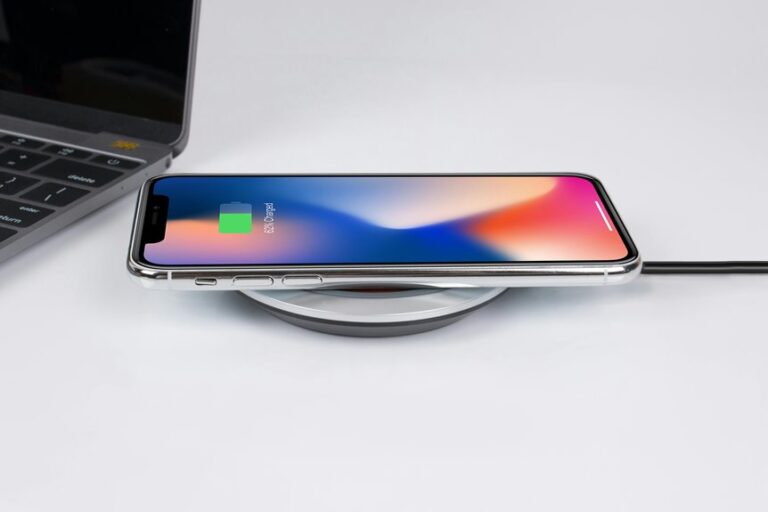
Charging convenience matters too: magnetic docks and wireless pads make short top-ups easy, so you can plug in during a shower or while getting ready. Should you join a community of active users, you’ll notice many people build charging into daily routines. That habit keeps your watch ready for workouts, messages, and sleep tracking without much disruption.
How to Choose a Smartwatch
As you choose a smartwatch, start by matching the device to your main use case, whether that’s fitness tracking, everyday notifications, payments, or app access.
Check budget and compatibility initially, since some watches work best with Android, while others pair more smoothly with iPhone.
Look for sensors, GPS, and health features whether you want accurate activity data.
Compare battery life, charging method, and the apps you’ll actually use each day.
Style and comfort matter too, because you’ll wear it for hours, so choose a size, band, and finish that fit your routine.
Read reviews for interface speed, notification clarity, and ease of setup.
Pick the watch that feels like part of your daily life, not just another gadget.
The Future of Smartwatch Wearables
As smartwatch wearables keep advancing, you’ll see devices that do more than show notifications and track steps. They’ll help you feel connected, informed, and in sync with your routine through ambient intelligence that adapts to your surroundings. Expect sensors to improve health tracking, while advanced haptics give you subtle, private alerts you can trust.
- Smarter coaching: your watch will spot patterns in sleep, stress, and workouts.
- Faster interaction: voice, gestures, and glanceable screens will reduce friction.
- Better protection: stronger security and privacy tools will guard your data.
You’ll also get longer battery life, more accurate GPS, and tighter app integration across phones and services. As these features mature, your watch won’t just support you—it’ll help you belong in a more responsive digital world.
Frequently Asked Questions
How Do Smartwatches Measure Heart Rate Accurately?
Smartwatches measure heart rate by shining green LEDs into the skin and using photodiodes to detect tiny changes in blood flow. Motion filtering helps separate pulse signals from movement, producing more dependable bpm readings.
Can Smartwatches Work Without a Paired Phone?
Yes, some smartwatches can be used without a paired phone if they support standalone apps and offline features. You will still need a phone for setup, syncing, updates, and internet based functions.
Which Sensors Are Most Common in Smartwatches?
You’ll usually find accelerometers, gyroscopes, heart rate sensors, GPS, and sometimes ambient light and compass sensors. They measure movement, fitness, orientation, and notifications on your wrist.
How Do Smartwatch Batteries Affect Daily Usage?
Your smartwatch battery life determines how long you can record workouts, read alerts, and open apps before recharging. Smart charging habits reduce downtime, extend feature use, and keep you connected from morning to night.
What Makes Smartwatch Notifications Glanceable?
You get glanceable notifications when the watch uses a clear visual hierarchy and distinct haptic signals, letting you absorb the main point at once. The screen emphasizes the most important details, then gives a light vibration so you can stay informed without breaking focus.