
Digital payments can move your money in seconds, often without you noticing the layers of security behind each tap or scan. You use cards, wallets, UPI, bank transfers, or QR codes to pay without cash, but each method works differently and carries its own trade-offs. Whenever you want to choose wisely, you need to know how these systems function, why they’re growing, and where the risks still hide.
What Are Digital Payments?
Digital payments are transactions that move money electronically instead of using physical cash, whether you pay with a credit or debit card, a mobile wallet like Apple Pay or Google Pay, a UPI transfer, a bank transfer, or a QR-code and tap-to-pay system.
This definition overview shows you how money can move through secure digital rails rather than notes and coins.
You gain speed, traceability, and control, and you can fit into a modern payment ecosystem that values convenience and inclusion.
In everyday examples, you could settle a bill online, split dinner with friends, or pay a merchant in seconds.
Each transaction records data digitally, so you can review spending, verify activity, and manage your finances with greater precision and confidence.
Common Digital Payment Methods
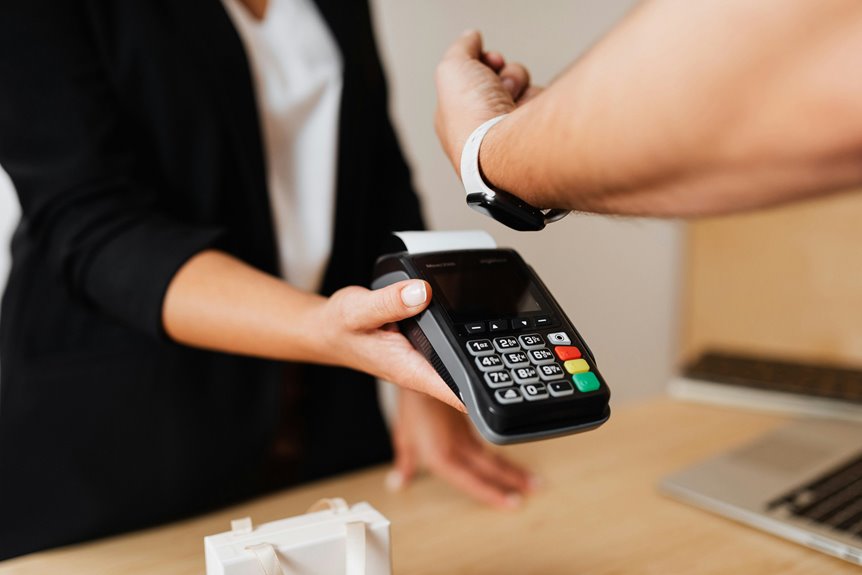
Bank transfers suit direct account-to-account payments whenever you need speed and traceability. QR-code payments work well in stores, markets, and apps where scanning keeps checkout simple. Contactless tap-to-pay gives you fast, low-friction checkout at compatible terminals. Together, these methods give you flexibility, convenience, and a sense that you’re part of a connected, cashless community.
How Do Digital Payments Work?
Whenever you make a digital payment, you initially authorize the transaction with a card, app, or biometric check, and the system encrypts and verifies your data.
Your payment then routes through payment processors, banks, and card networks, which confirm available funds and direct the request to the right accounts.
After approval, clearing and settlement move the money between institutions, and the transaction is recorded in a traceable digital trail.
Payment Authorization Process
Once you initiate a digital payment, the system captures your payment data at a terminal or in an app, then routes it through the relevant bank and payment network for authorization.
You stay protected by layered fraud checks and risk scoring, which assess device signals, spending patterns, and merchant setting before approval.
- Your card or wallet details are verified.
- Security rules compare the request with your profile.
- The issuer decides whether to approve, decline, or request more authentication.
- If approved, you see confirmation almost instantly.
This process helps you feel confident, included, and in control, because each step balances speed with security.
Strong encryption and authentication keep your payment circle trustworthy, so you can transact with ease and belong to a modern cashless community.
Transaction Routing Steps
After you tap, swipe, or submit a payment in an app, the transaction is packaged as digital data and sent from the point of sale or your device to the payment processor.
The processor reads your card or wallet details, checks the merchant’s setup, and routes the request through the correct network or bank.
You then receive a fast response: approved, declined, or flagged for review.
During this path, fraud detection tools compare device signals, location, spending patterns, and authentication data to spot anomalies.
Whenever a step fails, error handling guides the system to retry, prompt you for another verification, or return a clear message.
This routing keeps your payment secure, traceable, and efficient, so you can move through checkout with confidence and feel part of a smooth digital economy.
Settlement And Clearing
Once a payment is routed and approved, the system still has to clear and settle the funds behind the scenes. You see the message instantly, but banks still reconcile obligations, net transactions, and move money through interbank settlement. That process confirms who owes whom and reduces risk across the network.
- Clearing validates the transaction data.
- Each institution records its position.
- Settlement transfers value between accounts.
- Settlement finality locks in the result.
You benefit from this structure because it creates trust, traceability, and speed without sacrificing control.
In your daily payments, rails like cards, UPI, and bank transfers rely on these steps to complete the cycle.
As clearing and settlement work well, you stay connected to a system that’s accurate, secure, and built for shared confidence.
Why Digital Payments Are Popular
You use digital payments because they speed up checkout, cutting friction at the point of sale.
You can move money quickly between people and accounts, which makes transfers far simpler than cash or paper methods.
You also get stronger payment security through encryption, authentication, and traceable transaction records.
Fast Checkout Speed
You move through the line faster, and businesses improve queue optimization without sacrificing accuracy.
A one tap flow also reduces friction, so you feel like part of a modern, efficient system.
- Tap or scan and confirm instantly.
- Avoid counting bills or waiting for change.
- Reduce errors from manual entry.
- Keep your purchase moving, even at peak hours.
This speed matters because it matches how you shop today: quickly, confidently, and with fewer delays.
Whenever checkout stays smooth, you stay focused on the experience, not the payment.
Easy Money Transfers
You can send money in seconds, whether you’re splitting dinner, paying rent, or covering a shared bill.
Money transfer apps make that process straightforward, so you stay connected with friends, family, and colleagues without friction.
For you, that means less waiting and more control over timing. Digital transfer systems also simplify cross border remittance, reducing the hassle of sending support across countries.
That efficiency matters because it helps you participate in a payment network that feels modern, practical, and socially connected. You’re not just paying; you’re moving with your community.
Secure Payment Options
Security is one of the biggest reasons digital payments have become so widely adopted, because modern systems protect transactions with encryption, two-factor authentication, and biometric checks such as fingerprints or facial recognition. You get layered defense that keeps your money safer and your experience smoother.
- Token encryption replaces card data with useless codes.
- Fraud detection flags unusual spending fast.
- Biometrics verify you’re the real user.
- Alerts help you spot issues immediately.
When you pay via wallet, card, or transfer, you join a network built for trust. That confidence matters: you can shop, split bills, and pay anywhere with less worry, realizing security tools work in the background to protect your place in the digital economy.
Are Digital Payments Safe?
Yes—digital payments are generally safe whenever you use trusted platforms and follow basic security practices. You reduce exposure by enabling two-factor authentication, using strong passwords, and reviewing transaction alerts.
This disciplined routine strengthens fraud prevention because it helps you catch unauthorized activity in its initial stages. Encryption and tokenization also protect your card or account details during transmission, so attackers face real barriers.
Still, you should recognize privacy risks: merchants, apps, and networks perhaps collect transaction data that can reveal spending patterns. That doesn’t mean you should avoid digital payments; it means you should stay alert, read permissions, and monitor statements.
While you act carefully, you join a wider community that values speed, security, and control without giving up financial confidence.
How to Choose the Right Payment Method
Once you’re satisfied that digital payments can be used safely, the next step is choosing the method that fits the situation. You should compare options based on cost, convenience, and merchant acceptance, because the best choice for you isn’t always the fastest one.
- Check where you shop most; should a terminal support tap-to-pay, cards or mobile wallets work well.
- Match the method to your budget compatibility; debit, UPI, and bank transfers help you stay disciplined.
- Consider the device you carry; phone wallets suit you should you want speed and secure authentication.
- Use QR or USSD while infrastructure is limited, especially should you need broad access and simple execution.
When you choose deliberately, you fit in with modern payment habits without losing control.
What’s Next for Cashless Payments?
As digital payments expand, the next phase will be shaped through greater speed, broader access, and tighter integration across devices and platforms. You’ll see future payment technologies move beyond cards and wallets into seamless identity-based, biometric, and real-time systems.
That means you can pay, verify, and track transactions in one motion, whether you’re online, at checkout, or using a feature phone. Businesses will adopt smarter automation, while consumers gain clearer control over spending and subscriptions.
Yet regulatory shifts will matter just as much as innovation, because security, interoperability, and privacy rules will determine trust. Should you want to stay ahead, follow platforms that support instant transfers, contactless tap-to-pay, and inclusive access. The future rewards users who adapt promptly and stay connected.
Frequently Asked Questions
Can Digital Payments Work Without Internet Access?
Yes, digital payments can work without internet access using offline options such as tap to pay cards and mobile wallet stored value. Transactions are authorized locally and then synced later, so payments can still go through when you are offline.
Which Payment Methods Suit Feature Phones Best?
USSD wallets work best on feature phones because they let users send payments without internet access or apps. SMS payments can also handle simple transfers and alerts, but they are usually slower and less secure than USSD.
Do All Merchants Charge Fees for Cashless Transactions?
No, not all merchants charge fees. Some absorb the cost themselves, while others pass along payment processing costs depending on the card, network, and location.
How Do Chargebacks Work With Digital Purchases?
You report the purchase as fraud to your card issuer, which issues a temporary credit while it reviews the case. If the dispute is decided in your favor, the merchant loses the payment. If it is denied, the charge returns to your account after the evidence is reviewed.
Can Digital Payments Be Used for Recurring Subscriptions?
Yes, digital payments can be used for recurring subscriptions, and in many cases they are the best option. With subscription billing and automatic renewal, payments are made on schedule without manual action, which helps avoid missed due dates and service interruptions. Check payment limits, alerts, and cancellation terms so you stay in control.