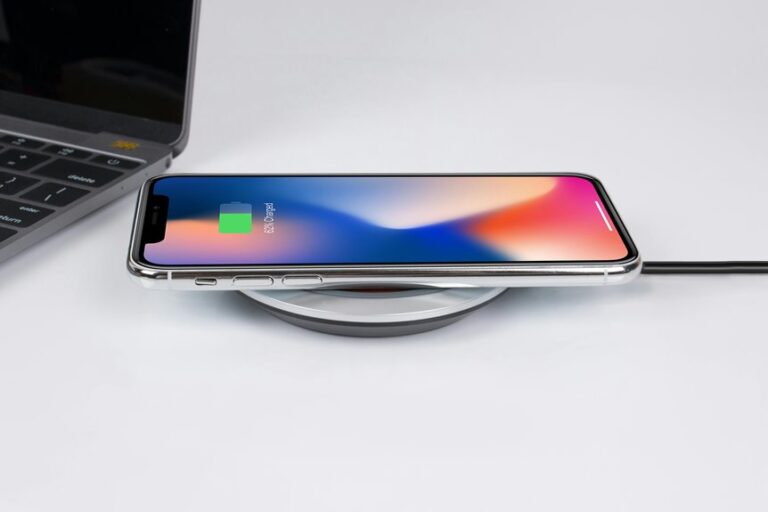


Your phone glows on the nightstand while myths hum in the background, quietly shaping how you charge, tap, and connect. You’ve probably heard that killing apps saves power, that more Wi‑Fi bars mean faster internet, or that incognito mode makes you invisible. Some of these ideas sound right, but they don’t hold up. Should you want to avoid common mistakes, the facts might surprise you.
How to Tell Tech Myths From Facts
To tell tech myths from facts, begin with checking whether a claim matches how the system actually works. You can test it using looking for evidence, comparing independent sources, and separating marketing language from measurable results.
If a claim about AI task automation says it removes the need for people, ask which tasks it handles and where human oversight still matters.
If a camera claim focuses only on megapixels, inspect sensor quality factors like lens design, image processing, and sensor size.
You belong to a community that values clear standards, so trust demonstrations, benchmarks, and specifications over hype.
As soon as data conflicts with a story, follow the data.
That habit helps you spot exaggeration quickly and make smarter choices.
Battery Myths That Still Mislead Users
Battery myths spread because they sound practical, but modern lithium-ion batteries work differently than many people assume. You don’t need to drain your phone to zero, and you won’t “confuse” the battery by charging it often. Good charging habits usually protect battery lifespan better than dramatic routines.
| Myth | Reality | Impact |
|---|---|---|
| Full drain helps | Partial charging is healthier | Less wear |
| Overnight charging harms | Devices stop overcharging | Less worry |
| Frequent topping up hurts | Small charges are fine | Better battery lifespan |
You belong with users who trust evidence, not folklore. Heat, not normal charging, does the most damage. Should you keep your device cool and avoid extreme discharges, you’ll support longer battery lifespan and steadier performance without extra effort.
Does Closing Apps Save Battery?
Even though swiping apps away feels proactive, it usually doesn’t save much battery. iOS already manages background activity efficiently, and force-closing apps can actually use more power when you reopen them because the system has to load them again. You don’t need to police every app switcher habit to stay in control.
Most background process myths ignore how modern phones suspend apps, limit activity, and protect battery life on their own. Provided an app misbehaves, closing it can help temporarily, but routine swiping rarely changes daily drain.
You’re better off focusing on screen brightness, network use, and software updates, which have a clearer impact. Trust the system, and you’ll fit in with users who save effort while keeping their phones efficient.
Phone and Laptop Charging Myths
You don’t need to wait for your phone or laptop battery to fully drain before charging it.
Overnight charging usually isn’t harmful because modern devices stop overcharging once they reach 100%.
Battery health depends more on heat, charge cycles, and deep discharges than on leaving it plugged in.
Overnight Charging
Although leaving a phone or laptop plugged in overnight sounds risky, modern lithium-ion devices are designed to stop charging at 100% and then switch to a trickle charge. That’s why overnight charging safety is usually solid whenever you use approved chargers and healthy cables. Trickle charging protections help your device hold steady without pushing extra energy into the battery.
You can usually sleep without worry whenever you follow basic care:
- Use the maker’s charger
- Keep vents clear on laptops
- Charge on a hard surface
- Avoid hot blankets or pillows
- Check for damaged cords
You’re part of a group that values practical habits, and this one is simple: charge whenever convenient, not fearfully.
Battery Health Myths
Heat does more damage than steady charging, so keep devices cool. You also don’t need to close apps constantly or chase exact percentages for every session. Focus on practical charging habits: plug in in a suitable moment, avoid extreme temperatures, and use reliable chargers. Whenever you follow these basics, you join the group of users who get longer battery life without turning daily use into a ritual.
Privacy Myths About Your Settings
Privacy settings can reduce exposure, but they don’t make you invisible online. You still need to review privacy permissions and account visibility across apps, devices, and services. Settings control what others can see, yet they can’t stop every data exchange or platform collection.
To stay informed, you should check:
- profile sharing options
- location access
- ad preferences
- friend and follower visibility
- third-party app access
When you adjust these controls, you limit casual viewing and unnecessary tracking. You also signal to your network that you value boundaries and shared security habits. Good privacy comes from regular review, not a one-time setup.
In a connected community, that steady attention helps you stay protected without feeling isolated or cut off.
Do Incognito Mode and VPNs Hide Everything?
Incognito mode only limits local browser history and won’t hide your activity from websites, your network, or your internet provider.
A VPN can mask your IP address and encrypt traffic, but it doesn’t make you anonymous or stop tracking by logged-in accounts and site cookies.
You should treat both tools as privacy layers, not complete shields.
Incognito Limits
Even whenever you use private browsing or a VPN, you’re not concealed from everyone. private browsing mainly gives you session isolation, so your browser won’t keep local history, cookies, or form data after you close it. That helps you separate work, personal, and shared-device use, but it doesn’t erase what sites can still observe during the session.
- Your employer might still monitor network activity.
- Websites can still log your visits.
- Downloads stay on your device.
- Bookmarks and files remain visible.
- Account logins can identify you.
VPN Privacy Gaps
A VPN can hide your IP address from the sites you visit, but it doesn’t make you invisible. You still leave traces through account logins, browser fingerprinting, cookies, and device identifiers.
Incognito mode only limits local history; it doesn’t stop websites, employers, or your internet provider from seeing activity.
When you choose a VPN, check vpn logging policies carefully, because some services record metadata or connection times.
Also watch for split tunneling risks: if you route only part of your traffic through the tunnel, other traffic can slip outside protection.
You belong to a group of users who value privacy, and that means treating these tools as layers, not shields. Good habits matter more than myths.
Wi-Fi Myths That Slow You Down
Wi-Fi myths can make you chase the wrong fixes, even though most speed problems come from signal strength, interference, router placement, or outdated hardware rather than a single simple rule. You can avoid wi fi speed traps through checking basics initially. Don’t let router placement myths steer you.
- Put your router in the open.
- Keep it away from walls and metal.
- Update firmware whenever your provider recommends it.
- Match your device to newer Wi-Fi standards whenever possible.
- Test speeds near the router before blaming your plan.
You’ll usually get better results from small, practical changes than from advice that sounds clever but ignores real network conditions. In a shared home or office, that approach helps everyone stay connected and included.
Why More Bars Don’t Mean Faster Internet
More bars on your device don’t guarantee faster internet, because signal strength is only one part of network performance.
You can see strong signal bars and still get slow pages provided that network congestion is high or the provider limits bandwidth.
Signal strength tells you how well your device connects to the nearest tower or router, not how much capacity that network has right now.
In a crowded area, many users share the same connection, so speeds drop even though bars look full.
Distance, interference, and service quality also shape your experience.
Whenever you troubleshoot, look beyond the icon and test real speeds.
That way, you’ll understand why the network feels slow and know you’re not alone in facing it.
Do Storage and Updates Slow Your Device?
Storage and software updates can affect device performance, but they don’t automatically make a phone or computer slow. You’ll usually feel slowdown when storage is nearly full, files are scattered due to storage fragmentation, or outdated hardware can’t keep up with newer software updates.
- Keep some free space
- Update whenever fixes improve efficiency
- Restart after installing patches
- Remove unused apps and files
- Check battery and heat, too
You’re not alone whenever your device feels sluggish; many people see the same pattern. The issue often comes from resource limits, not updates themselves. Whenever you manage storage well and install software updates that optimize performance, your device can stay responsive longer.
Frequently Asked Questions
Does AI Really Replace Human Jobs?
Not exactly. AI changes specific tasks rather than erasing entire careers. It handles repetitive work, while people shift into new roles that require judgment, creativity, and oversight. Staying relevant means learning how to work with it.
Are Megapixels the Main Camera Quality Factor?
No. Megapixels are not the main factor. Sensor size, lens quality, and image processing have a much bigger impact on your photos. When those parts work well together, your camera can deliver better results.
Is Battery Drain Caused by Overnight Charging?
No, charging overnight usually does not drain the battery. Most devices stop charging at 100 percent, and battery wear is affected more by heat and repeated poor charging conditions than by leaving it plugged in overnight.
Does Force-Closing Apps Improve Phone Performance?
Not really. Most phones already manage background apps efficiently, and force closing them often just makes the app reload from the beginning, which can use more memory and battery. It is usually better to let the operating system handle them.
Does More RAM Always Make Devices Faster?
No, adding more RAM does not always speed up a device. You will see improvement only when limited RAM slows down multitasking or forces the system to swap memory; if that is not the issue, the CPU, storage speed, and how memory is managed have a bigger effect on responsiveness.